- Between 2000 and 2025, the world’s response to climate change was uneven. The Kyoto Protocol came into force in 2005, but its impact was limited.
By 2050, the world’s climate could unfold in two starkly different ways.
If global emissions are cut rapidly, warming may be contained at around 1.5 to 2°C above pre‑industrial levels, a future that is difficult but manageable.
If emissions continue unchecked, however, temperatures could rise by 2.5 to 3.5°C or more, pushing humanity into a world of extreme heat, rising seas, collapsing ecosystems, and widespread disruption.
I raise this alarm because 2025 marks a quarter of a century into the 21st century, a natural point to reflect on where we have come from and where we are heading.
At the dawn of the century in 2000, the climate was already showing signs of trouble. The late 1990s had seen record warmth, especially 1998, and though a strong La Niña cooled conditions slightly in 2000, the year still ranked among the warmest on record.
Read More
Rainfall and storm patterns shifted dramatically: floods struck southeastern Africa and northern Australia, while droughts hit Central America and the Middle East.
Arctic sea ice continued its gradual decline, oceans absorbed more heat, and the Kyoto Protocol was entering its implementation phase. Scientists warned that without deep emission cuts, warming would accelerate through the century.
Between 2000 and 2025, the world’s response to climate change was uneven. The Kyoto Protocol came into force in 2005, but its impact was limited.
The Intergovernmental Panel on Climate Change (IPCC) declared climate change “unequivocal” in 2007, raising urgency, yet the Copenhagen summit in 2009 failed to deliver a binding treaty.
A breakthrough came in 2015 with the Paris Agreement, where 195 countries pledged to cut emissions and adapt to impacts, aiming to keep warming well below 2°C.
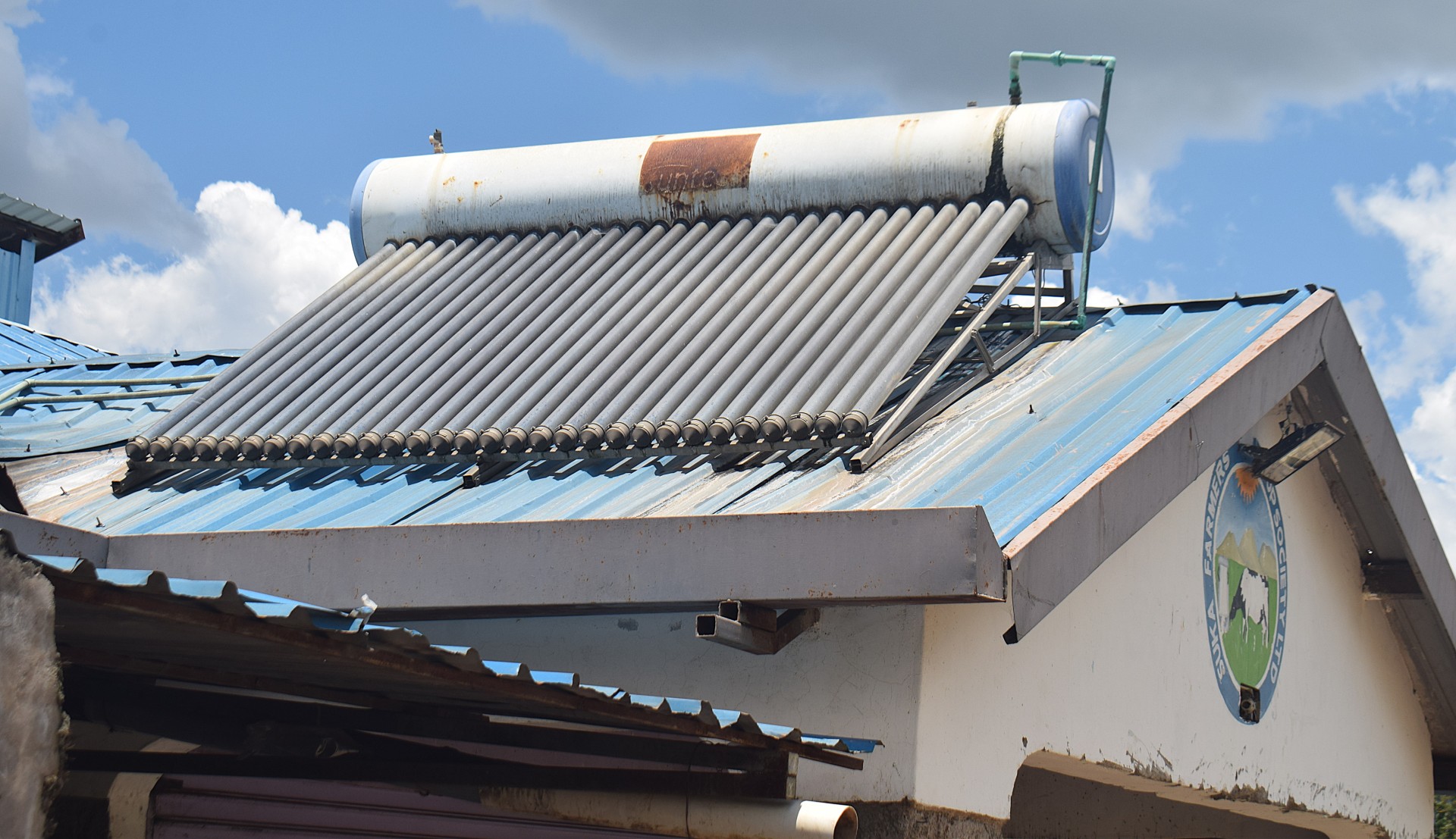
In the years that followed, solar and wind power became the cheapest sources of new electricity, electric vehicles gained traction, and climate activism surged.
At COP26 in Glasgow in 2021, countries agreed to phase down coal, while COP27 in Egypt in 2022 created a Loss and Damage Fund for vulnerable nations.
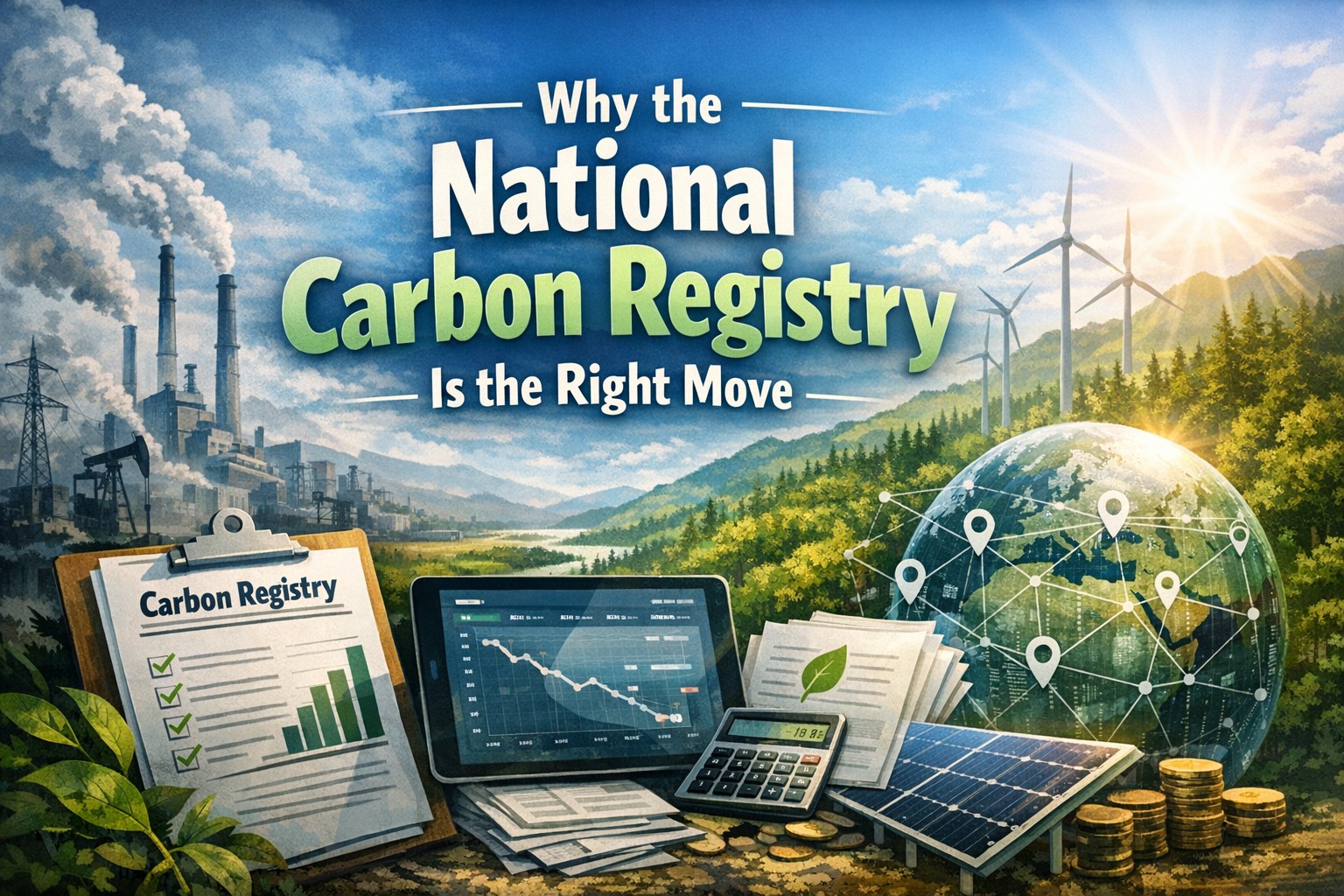
By 2025, countries had updated their climate pledges, Kenya and others filed their first Biennial Transparency Reports, and carbon trading frameworks began to take shape.
Global renewable energy capacity surpassed 4,000 GW, in 2025, according to the International Renewable Energy Agency (IRENA). Solar power led with 1,865 GW, followed by hydropower at 1,283 GW and wind at 1,133 GW, though climate finance still lagged behind promises.
The quarter century from 2000 to 2025 was essentially a transition from warning to action. The science became undeniable, policies took shape, and technology advanced, but the pace of change fell short of what was needed.
The outlook from 2025 is clear: the foundation for net‑zero by 2050 has been laid, yet success depends on scaling action in the next 25 years.
The choices made now will determine whether 2050 is remembered as the year humanity stabilized the climate or the year it crossed into dangerous territory.
Follow us on WhatsApp for real-time updates, community voices, and stories that matter.