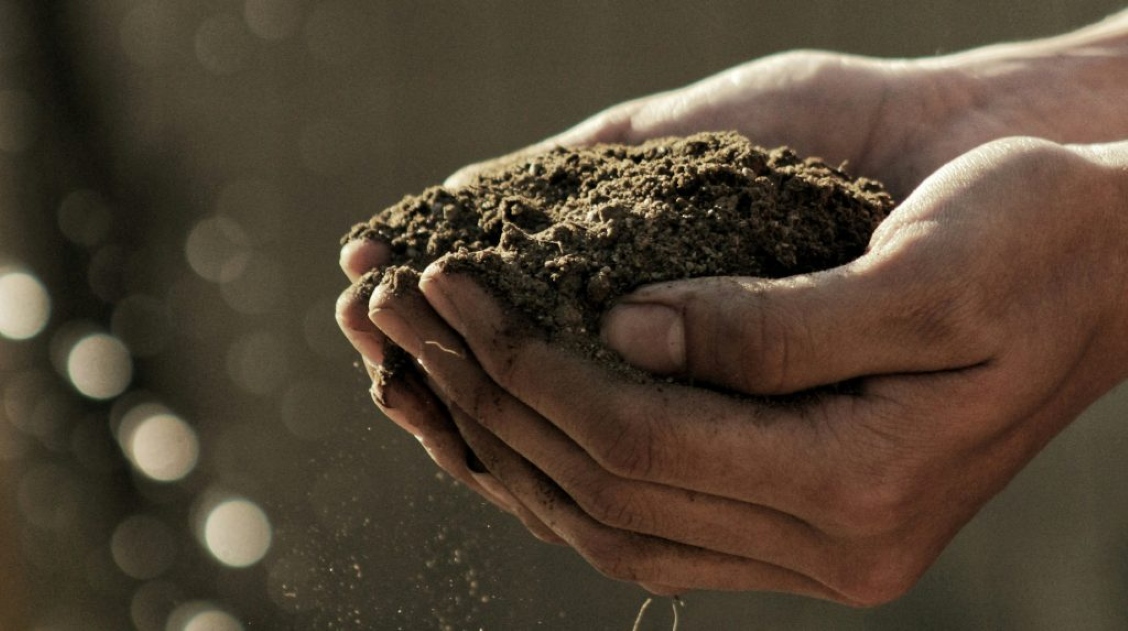
Soil sustains food, water, climate, and biodiversity, yet faces threats from erosion and pollution.
Healthy soil supports ecosystems, human health, and agriculture, making its protection vital for the future.
On December 5, 2025, the world celebrates World Soil Day, a global event started by the Food and Agriculture Organization (FAO) of the United Nations (UN) to remind us that soil is not lifeless, but a living system that provides food, water, climate balance, and ecosystems.
The day embodies the necessity of protecting this vital yet often unnoticed resource, now increasingly at risk due to erosion, pollution, and unsustainable use. Scientists have always pointed out that soil is the base of life — and the figures are truly astonishing. Soil is home to a vast variety of life forms from across the tree of life, though the total number of species remains a mystery.
Previous studies attempting to quantify soil biodiversity often focused only on certain groups of organisms, such as animals, and gave general figures without distinguishing between species living in soil and those in other habitats. What is clear is that soil is one of the most diverse habitats on Earth, hosting life forms ranging from the smallest microbes to larger creatures like earthworms and termites.
Besides its importance to biodiversity, soil also affects human health significantly. Interaction with soil microbes can be a major factor in children’s health, helping to build their immune systems and possibly lowering the probability of allergies or autoimmune diseases.
Nationally, soil is the mainstay of agriculture. It underpins resilient food systems, providing around 95 percent of what we eat. Yet this vital resource is increasingly endangered by degradation, erosion, and unsustainable land practices.
Read More
One cannot exaggerate the importance of soil organisms. Earthworms, for instance, improve the soil through their burrowing and feeding activities, increasing the surface area for organic matter absorption and facilitating vertical movement.
The channels they form especially those of anecic (vertical burrower) species act like veins of natural drainage systems, allowing rainwater to soak into deeper layers and shaping the ecology around them much like underground engineers. Their work also elevates the soil’s water‑holding capacity, which can be as high as ten times their weight in moisture.
The small world beneath us is even more incredible: just one teaspoon of soil harbors more living organisms than the entire human population. Without such rich biological diversity, life on land would be impossible.
Therefore, World Soil Day is not only a recognition event but also a call to action. Defending soil means embracing sustainable farming, reducing chemical pollutants, protecting forests and wetlands, and supporting restoration activities.
Moreover, soil is still considered a non‑renewable resource, as it takes an extremely long time to form through the physical, chemical, and biological decomposition of rock. The production of mature soil from parent rock can take tens of thousands of years depending on the type of rock and local conditions.
Within a human lifespan, soil is irreplaceable. Yet erosion caused by wind, water, and irresponsible farming can wipe out centuries of soil formation in an instant.
Globally, the message is straightforward: beneath our feet lies a whole world of life, quietly keeping Earth livable for humans. The first step toward securing the future of food, water, climate stability, and biodiversity is to recognize this unseen world — and to guard it against the threats it faces.
Follow us on WhatsApp for real-time updates, community voices, and stories that matter.
-1785307406.jpeg)

-1784287755.jpg)