
UNICEF urges urgent climate action, renewable energy investment, and resilient systems to protect children’s rights.
The United Nations International Children’s Emergency Fund (UNICEF) has been advocating loudly that the climate crisis is not only an environmental challenge but also a full-scale emergency for children’s health.
According to UNICEF’s Children’s Climate Risk Index, approximately 1 billion children live in regions highly prone to floods, storms, droughts, and extreme temperatures. These hazards threaten children’s access to clean water, food, healthcare, and education fundamental rights guaranteed under international conventions.
The climate emergency is a direct assault on children’s rights. Children are the most vulnerable because their lungs and immune systems are still developing. They also breathe more rapidly than adults, taking in more pollutants relative to their body size. This heightened exposure leads to asthma, pneumonia, and chronic respiratory diseases.
Specialists identify the burning of fossil fuels as the primary driver of the most harmful air pollution. Exposure to this pollution causes 8.1 million premature deaths globally avoidable tragedies rooted in environmental causes.
Air quality degradation is only one dimension of the problem. Fossil fuels are also the main contributors to global warming, which triggers extreme weather events that disrupt schooling, nutrition, and safe shelter.
Recent reports reveal that climate-related disasters are becoming increasingly frequent. Floods and storms across Southeast Asia have displaced thousands of families, while prolonged droughts in Africa have driven up malnutrition among children. These realities vividly illustrate that climate change impacts children most severely. They are the least responsible for emissions, yet they suffer the greatest consequences.
The newly adopted Belém Package pledges to triple global climate adaptation finance by 2035 and introduces a Just Transition Mechanism to support the most affected communities. Critics, however, caution that while the commitments are welcome, there is still no clear roadmap for phasing out fossil fuels.
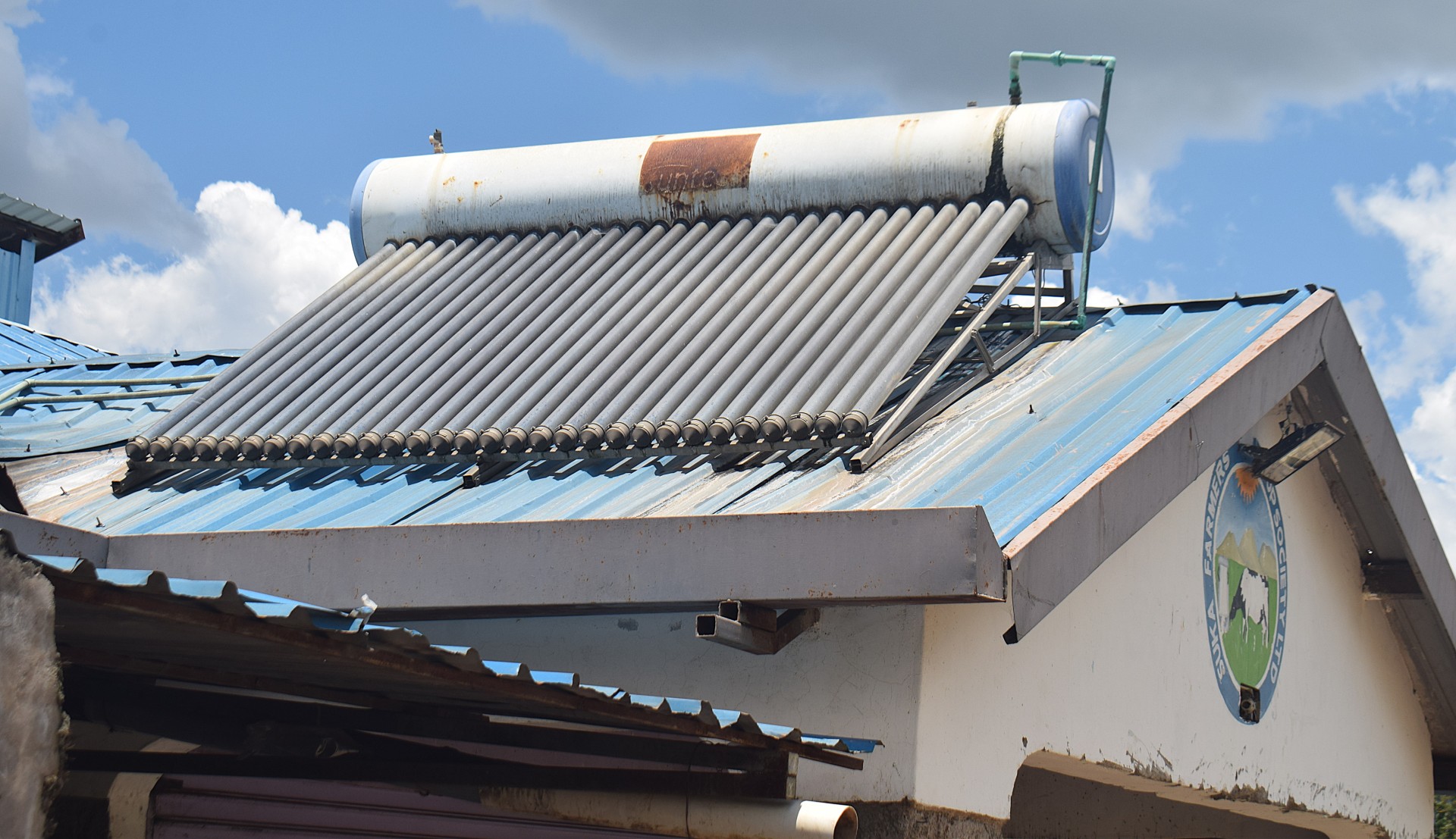
UNICEF insists that mobilized funds must prioritize renewable energy, climate-resilient health systems, and safe, well-equipped schools. The agency underscores: “What our children require is a livable earth with energy sources that are safe, clean, and renewable.”
Follow us on WhatsApp for real-time updates, community voices, and stories that matter.
-1785307406.jpeg)

-1784287755.jpg)