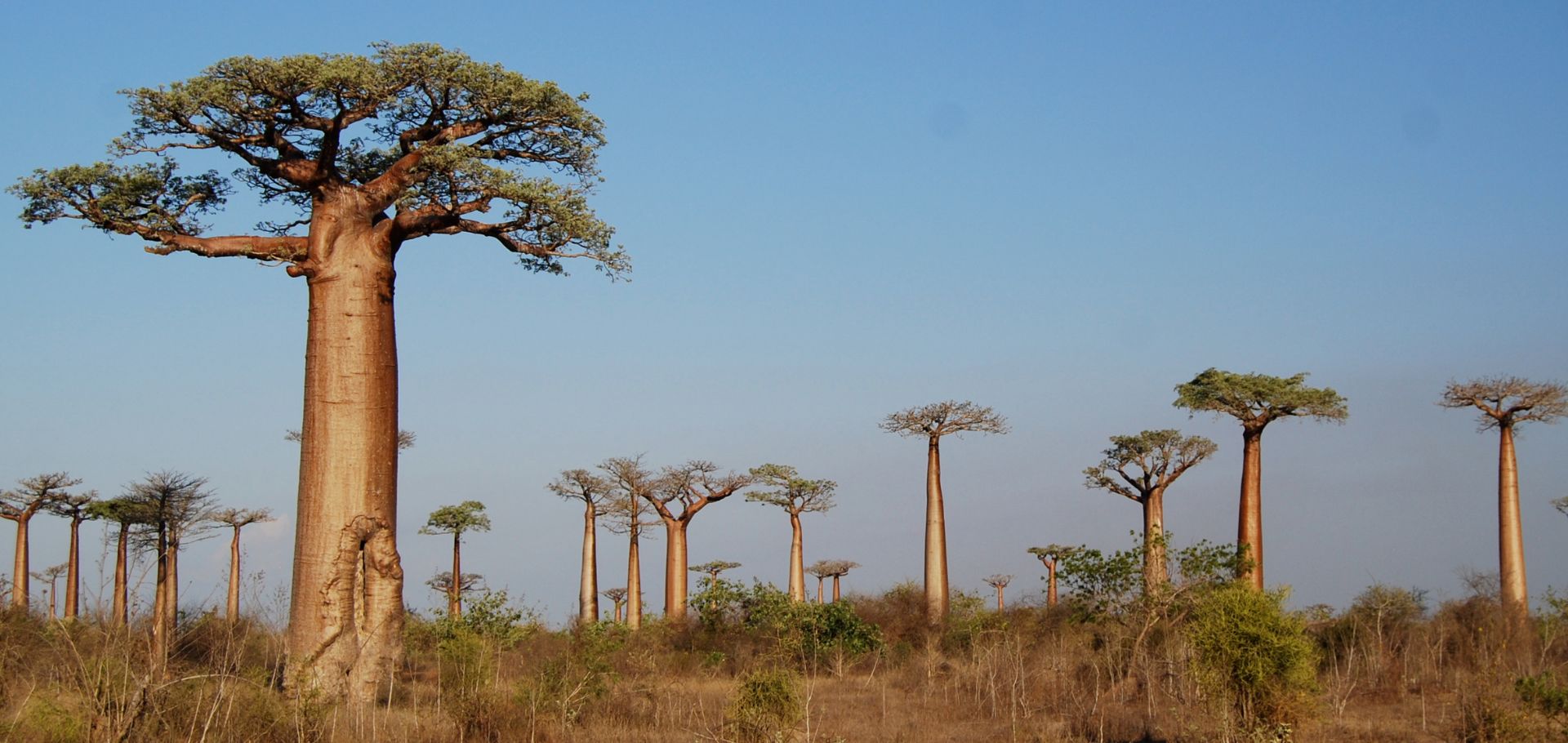
- In the dry African savannahs, baobab is a keystone species that holds the ecosystem together. These giant trees can live up to 2,500 years, preventing soil erosion and maintaining humidity in arid landscapes.
For the first time in history researchers have identified an insect capable of killing adult baobabs, trees that have stood for thousands of years. The researchers discovered that the mango-stem borer, an aggressive beetle native to Southeast Asia, is decimating baobab trees in the Middle East.
Although the mango-stem borer has not yet been detected in mainland Africa, the findings from Oman, where the beetle has already claimed numerous trees, is a direct warning to Africa.
And now the researchers, led by Sarah Venter, a leading baobab ecologist, are warning that the infestation can turn fatal. They are now calling on African nations to tighten biosecurity protocols and invest in research before this silent killer reaches our shores.
In the dry African savannahs, baobab is a keystone species that holds the ecosystem together. These giant trees can live up to 2,500 years, preventing soil erosion and maintaining humidity in arid landscapes.
Beyond their ecological role, the baobab supports over 300 different uses. It is one of the most nutrient-dense superfoods on the planet. The fruit pulp, which naturally dries on the branch into a fine white powder contains vitamin C, calcium, and antioxidants, making it a natural booster for the immune system and skin health.
Read More
In 2008, the European Commission officially authorized the placement of baobab fruit pulp on the market as a novel food ingredient. This was the major legal breakthrough that allowed it to be sold and marketed as a health food in Europe.
Locally, baobabs are famed for their seeds which are used to make the famous Mabuyu snack. Some households especially in the Coastal region soak the coated seeds in water to create a flavored baobab juice (similar to Ukwaju or tamarind juice).
Mabuyu is frequently used to combat motion sickness and nausea by those traveling long distances by bus or boat.
To lose these trees to an invasive pest would be to lose a primary source of livelihood and a deep-rooted cultural heritage.
Now that the researchers have already given a hint, African countries should take the current window of opportunity for early detection and the development of biological controls. If this window shut, African countries, including Kenya, will start reacting to a crisis.
Protecting the baobab requires a unified, continental strategy. African governments must enforce stringent biosecurity regulations at ports of entry to prevent the accidental introduction of the beetle through timber or agricultural trade.
There must be a seamless collaboration between research institutions across the continent because sharing data and setting up monitoring systems is now being the only way to ensure that an outbreak in one country does not become a continental catastrophe.
The death of the baobabs in Oman is a clarion call. We must treat biosecurity as a matter of national and economic security. By supporting the scientists who study these trees and the industries that rely on them, we can ensure that Africa’s tree of life remains a resilient part of the continent’s future for another two thousand years.
Follow us on WhatsApp for community voices, and stories that matter
-1785307406.jpeg)

-1784287755.jpg)