Beneath the shadow of Mount Love in Narok County, a natural spring quietly sustains thousands of Maasai families despite growing climate pressures. As women and children walk kilometres each day for water, this forgotten source has become a symbol of resilience, survival and hope, exposing the realities of water insecurity in Kenya's pastoral communities and the urgent need for conservation.
In the Maa language, engare means water. But to the Maasai people of Shankoe Village in Shankoe Ward, Transmara West, Narok County, engare is far more than a word — it is life itself.
Each morning sun tells the same story. Before the first rays of light touch the rolling plains beneath Mount Love, Maasai women (entomonok) have already begun their long journey.
.jpeg)
Plastic jerrycans swing from their hands while donkeys carry empty containers, ready for another exhausting trip. Young girls who should be in school and boys barely in their teenage years join their mothers in the daily search for water.
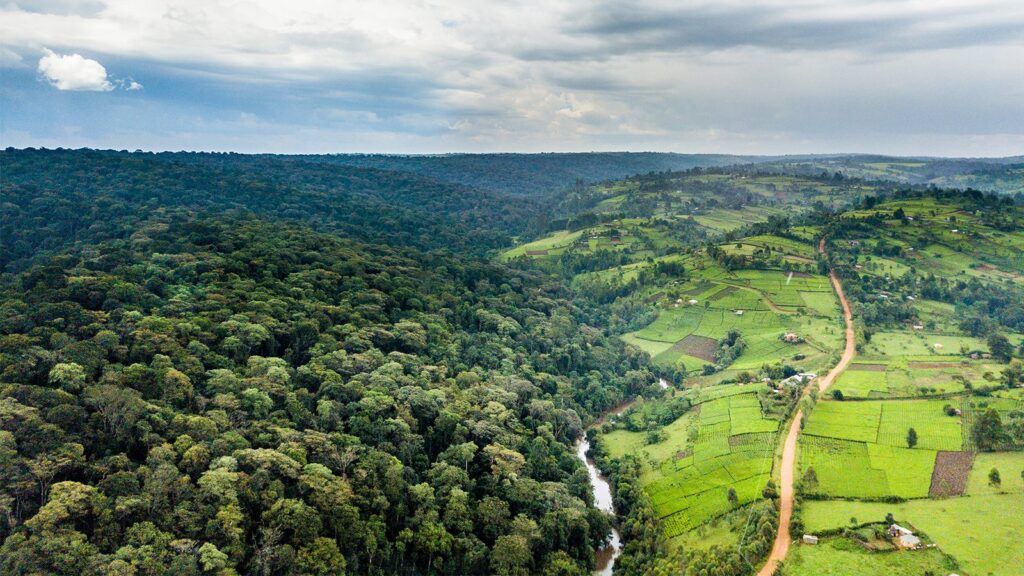
From a distance, Mount Love dominates the landscape, standing majestically over Shankoe. Local folklore regards the mountain as a symbol of union and lasting relationships. Below it stretches an endless carpet of green sugarcane nourished by the Transmara Sugar, Angata, Ndhiwa and Esoit Sugar Companies, whose presence has transformed the economy.
Read More
However, below this setting of agricultural prosperity lies a painful contradiction. Despite the green fields, many families still walk several kilometres in search of safe water.
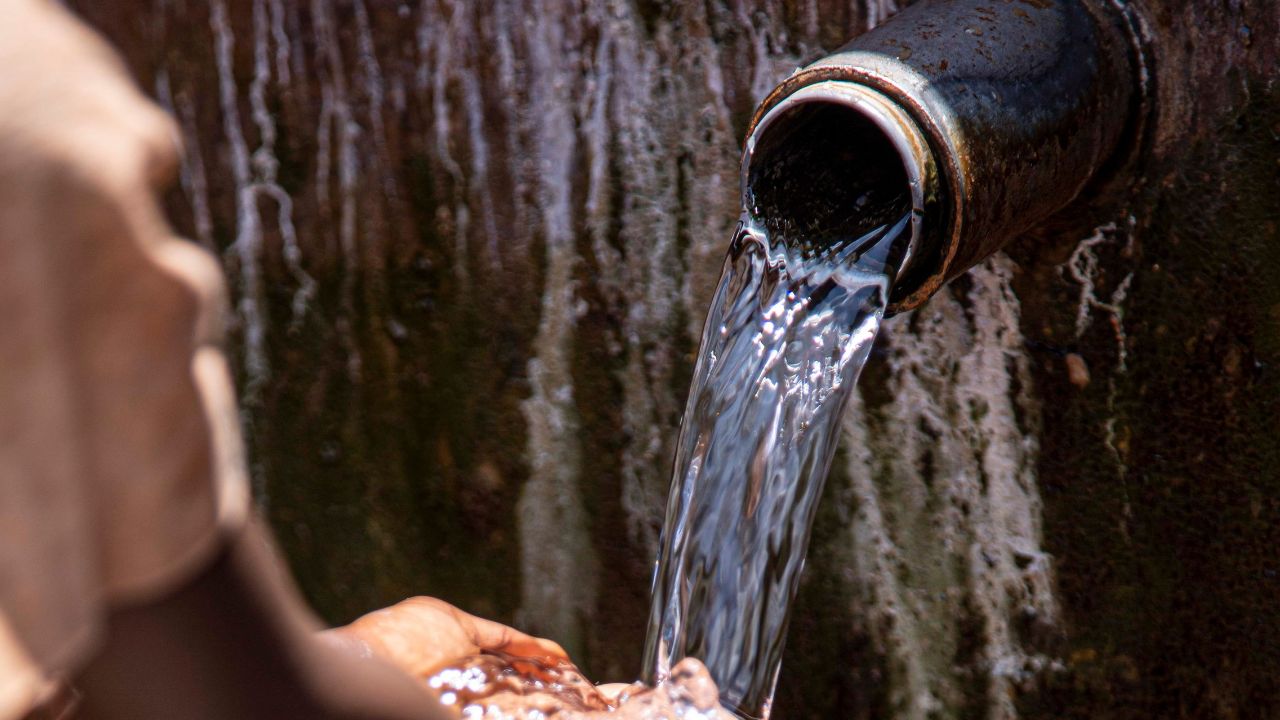
At the foot of Shankoe Secondary School, nature offers a lifeline — a natural spring that quietly bubbles from beneath the earth. No one can explain exactly where the water comes from. It simply emerges clear, cool and constant, as it has for generations.
Women scrub clothes on smooth rocks while others wait their turn to fill yellow jerrycans. Donkeys line the edges of the spring, and livestock drink from specially constructed watering points.
The spring has become the core of Shankoe. Residents travel from villages nearly ten kilometres away, trusting it to meet their daily needs.
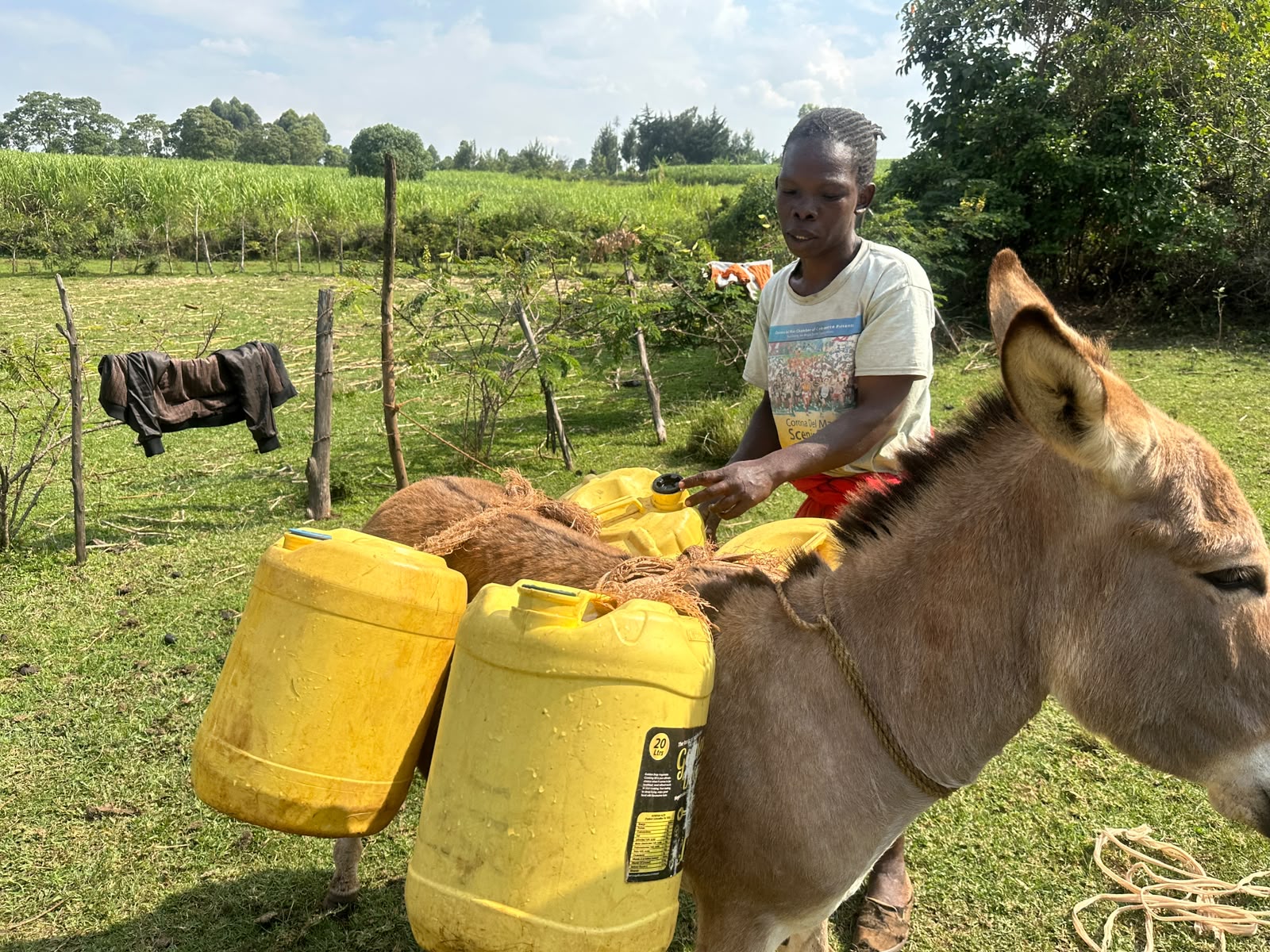
For 37-year-old Naomi, the spring is both a source of water and her family’s income. Every morning, she fills dozens of jerrycans, loads them onto donkeys, and transports them to Shankoe Trading Centre, where she sells water to hotels, shops, and households.
"This spring feeds my family," she says. "Without it, I don’t know how we would survive."
Nearby, fourteen-year-old Lemaiyan helps his mother with the demanding task. Instead of resting or playing during his holidays, he spends hours ferrying water. His story mirrors that of many Maasai children whose childhood is defined by the burden of water scarcity.
For Maasai women, fetching water is not simply a household chore — it is a daily challenge of endurance. They walk long distances carrying heavy loads under the scorching sun, often making several trips a day. The time spent searching for water is time lost from income-generating activities, education and family life. Girls frequently shoulder responsibilities that interrupt their learning, while mothers bear the physical strain of years of carrying water over rough terrain.
.jpeg)
Recognising the community’s need, development partners such as AMREF have drilled boreholes in the area. The intervention has eased pressure on some households, but demand still outstrips supply. Many families continue to depend on the natural spring because it streams year-round.
The local administration has also stepped in to protect this priceless resource. The spring has been improved through piping, and a separate drinking chamber has been constructed for animals to reduce contamination.
Community members are appealing to the county and national governments, conservation organisations and well-wishers to support further protection of the spring. They envision expanded piping systems, proper catchment protection, improved storage facilities and measures to safeguard the surrounding environment from pollution.
Protecting natural springs is no longer simply about conserving nature — it is about protecting human dignity. As climate change makes rainfall increasingly unpredictable across Kenya’s arid and semi-arid lands, natural springs like the one at Shankoe become vital climate lifelines.
For the women of Shankoe, conserving the spring means shorter journeys, healthier families and more opportunities for education and economic activities. For children like Lemaiyan, it could mean more time in classrooms than on water trails.
And for Kenya, this serves as a reminder that the progress towards climate resilience begins with protecting the natural water sources that have quietly sustained communities for generations.
Because in Maa, engare means water. But in Shankoe, engare truly means life.
Have a climate, environment, sustainability, agriculture, energy, or resilience story to share?
Send your articles and submissions to [email protected], or connect with us on LinkedIn, Facebook, and X.
-1785307406.jpeg)

-1784287755.jpg)