 model that prior (2)-1757825010.jpg)
- Njoro River, located in the Njoro area of Nakuru County, has endured years of pollution. In response, various institutions and community groups have stepped in at different times to rescue it.
When it comes to conservation, the preservation of water bodies is not just important, it’s essential. This is especially when the river in question contributes to a major water source.
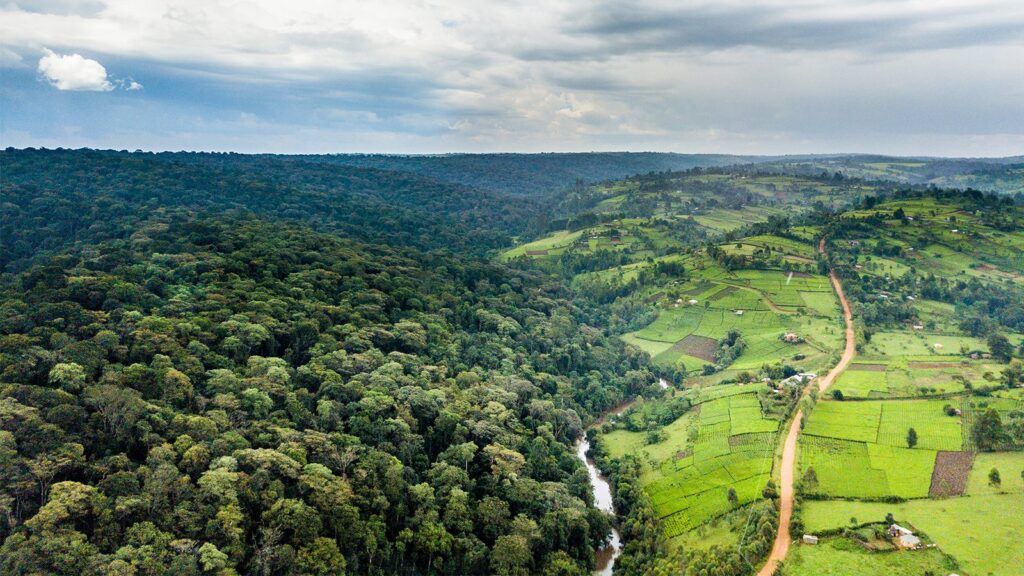
Njoro River, which drains from the Mau forest, has endured years of pollution. In response, various institutions and community groups have stepped in at different times to rescue it.
This river, commonly known as River Ndarugu is one of the main contributors of water to Lake Nakuru and flows near the Nakuru National Park, an ecological treasure and tourism magnet.
Recognizing the river’s ecological and communal importance, Egerton University committed about KSh 5 million in 2011 to launch the Njoro River Rehabilitation Initiative. At the helm was Prof. Charles M’Erimba, who described the project as one of the university’s flagship environmental efforts.
According to Prof. M’Erimba, the then coordinator of the project, about 55 kilometers of the river passes through university land.
Read More
 model that prior (3).jpg)
“We depend on this water for daily use,” Prof. M’Erimba explained. “It’s pumped into our systems after treatment. But beyond the university, the river sustains boreholes, supports the Nakuru National Park ecosystem, and serves the surrounding communities.”
The rehabilitation effort was collaborative. Local communities, government bodies, and conservation groups all weaved their efforts together.
“We had to agree with the communities on how to proceed,” he said. “We also received support from the Nakuru County Government to clear the dumpsite near St. Augustine.”
Together with the Maasai community, they planted trees, fenced off the river’s source—25 acres in total and cleared waste. Prof. M’Erimba, who teaches in the Department of Biological Sciences, notes that the water flow near the source is now continuous. “The community now has a forest near their homes. It’s become a source of livelihood—we even employed one of their own.”
Through Financing Locally-Led Climate Action (FLLoCA) and climate-led community initiatives, the river remains a target for restoration. But the work isn’t over. “Rehabilitation is ongoing. We haven’t achieved 100% success yet.”
In Kapkures Ward in Nakuru Town West, pollution remains a major challenge. Dumping of plastics and sewage continues to threaten biodiversity. Prof. M’Erimba calls for more effort from the County Government to restore balance.
Dr. Nelson Maara, the County Executive Committee Member (CECM) for Water, Energy, Environment, Climate Change, and Natural Resources in Nakuru County, confirmed the county’s rehabilitation of a 5km stretch of the river.
“This is a joint effort between the county and the community. We ensured the community owned the project. Everyone understands the importance of this river—not just for flamingos, but as a foreign exchange earner for Kenya.”
 model that prior (4).jpg)
Cleaning remains a challenge. Dr. Maara says the county conducts annual clean-up exercises in partnership with the World Wildlife Fund (WWF) and the Kenya Wildlife Service (KWS) to prevent solid waste from reaching the river. “We hope this will reduce pollution flowing into the lake.”
The project was funded through the FLLoCA, in line with the Climate Change Act of Nakuru County (2021) and FLLoCA regulations, which require community-led initiatives. “It’s a community-owned project, and we’re optimistic about its success.”
The Rotaract Club of Menengai also joined the effort. Janet Nkirote, the organisation’s President shared, “River Njoro was one of the polluted rivers that fell under our area of focus. When we began, the river was blocked with waste.”
Armed with determination and community spirit, her team joined the larger restoration effort. They cleared debris, raised awareness, and helped breathe life back into the river’s banks.
For many residents, the Njoro River now carry a different story, one of loss, resilience, and the quiet hope of renewal.
In Kapkures ward, pollution has devastated local communities. William Ngetich, a resident, remembers when the river’s course was altered by an abandoned quarry. The diverted flow created a deep, eerie water body that unsettled the community.
“Some people vacated the area. Others stayed, but fear lingered,” said William.
Faith Nyambura, a resident of Ngata for three years, describes the river’s current state: “It’s mostly polluted with dead animals and used diapers. We only use the water for washing clothes. It’s not safe for drinking or cooking.”
 model that prior (5).jpg)
-1785307406.jpeg)

-1784287755.jpg)