- Sustainable housing is healthy for the planet because it reduces carbon emissions, conserves resources, and creates resilient communities, able to adapt to climate change.
As 2026 begins, one of the most meaningful resolutions you could make might be building a home. But do you know you can build one that protects not only you, but also the planet?
How we build, live in, and care for our homes has a direct impact on the planet’s health. Our houses use energy, consume resources, and change the land around us.
For years, discussions on climate change have dominated public discourse, urging individuals to reduce their carbon footprint by lowering emissions. As we close 2025 and step into 2026, it is important to remember that our homes can become tools for sustainable living.
Sustainable housing is healthy for the planet because it reduces carbon emissions, conserves resources, and creates resilient communities, able to adapt to climate change.
What to Consider When Building a Sustainable Home
Read More
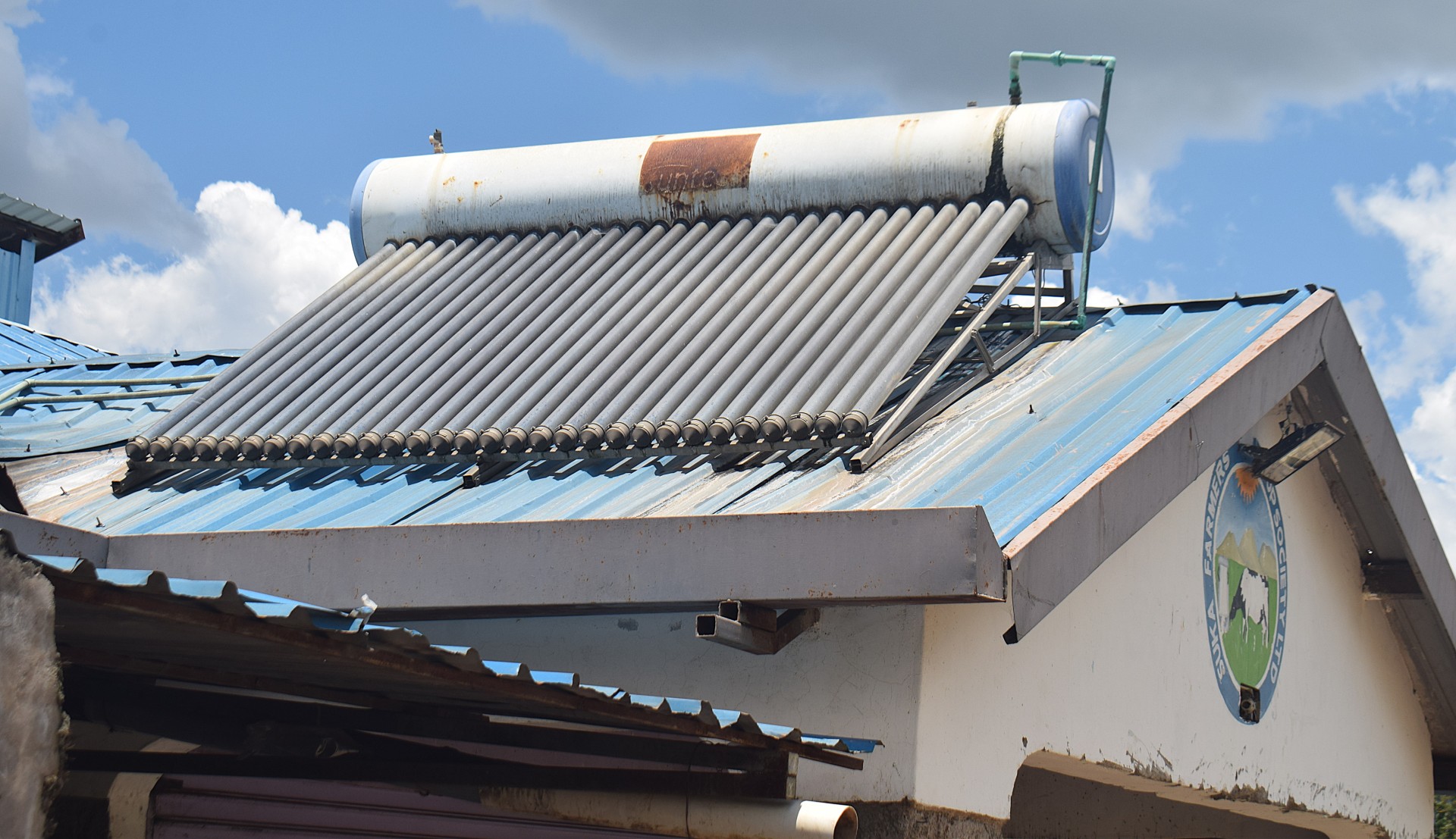
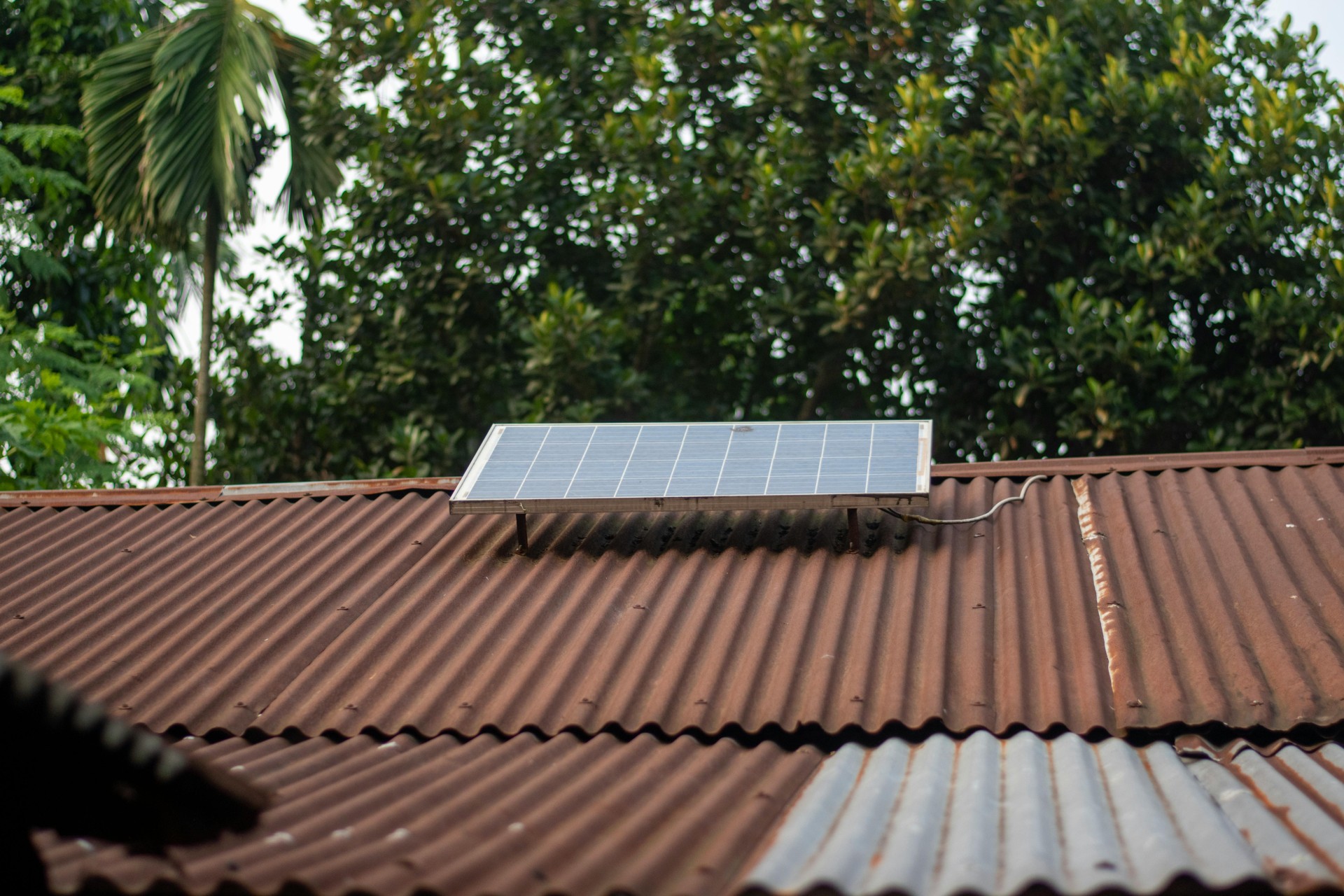
1. Use Renewable Energy
Incorporate solar panels, wind turbines, or other clean energy sources. These lower carbon emissions and reduce utility costs.
2. Choose Sustainable Materials
The manner in which the construction and operation of housing is carried out contribute heavily to greenhouse gas emissions. Using recycled, renewable, and locally sourced materials such as bamboo, clay, or recycled steel helps reduce environmental impact.
3. Conserve Water
Homes consume vast amounts of water, timber, metals, and land. Rainwater harvesting, greywater systems, and low‑flow fixtures can cut water usage and ease pressure on ecosystems.
4. Create Green Spaces
Urban sprawl usually destroys habitats and biodiversity. Eco‑friendly housing models promote compact, green urban planning that preserves natural spaces. Adding green roofs, urban gardens, and tree cover improves air quality, supports biodiversity, and boosts mental health.
5. Improve Energy Efficiency
Energy‑efficient design, proper insulation, efficient appliances, and passive cooling and heating reduce reliance on fossil fuels and minimize consumption. Homes account for a large share of global energy demand—heating, cooling, lighting, and appliances.
The United Nations (UN)‑Habitat stresses that housing should be environmentally sustainable.
This can be possible by incorporating energy efficiency, renewable energy, and low‑carbon materials.
The global body champions housing designs that reduce emissions and adapt to climate change, aligning with broader climate action goals.
Every household decision, energy use, waste disposal, water consumption scales up to global impact. Housing is universal: everyone needs it, so improvements ripple across society.
It is important to note that sustainable housing also links social justice (affordable, safe homes) with environmental care (low‑impact living). In the end, it becomes a bridge between human well‑being and ecological balance.
In the year 2026, our homes can become more than places of comfort; they can be the frontline of environmental care. When we embrace sustainable housing, we build not only for ourselves but for the planet, ensuring healthier communities and a resilient future.
Follow us on WhatsApp for real-time updates, community voices, and stories that matter.
-1785307406.jpeg)



-1784287755.jpg)