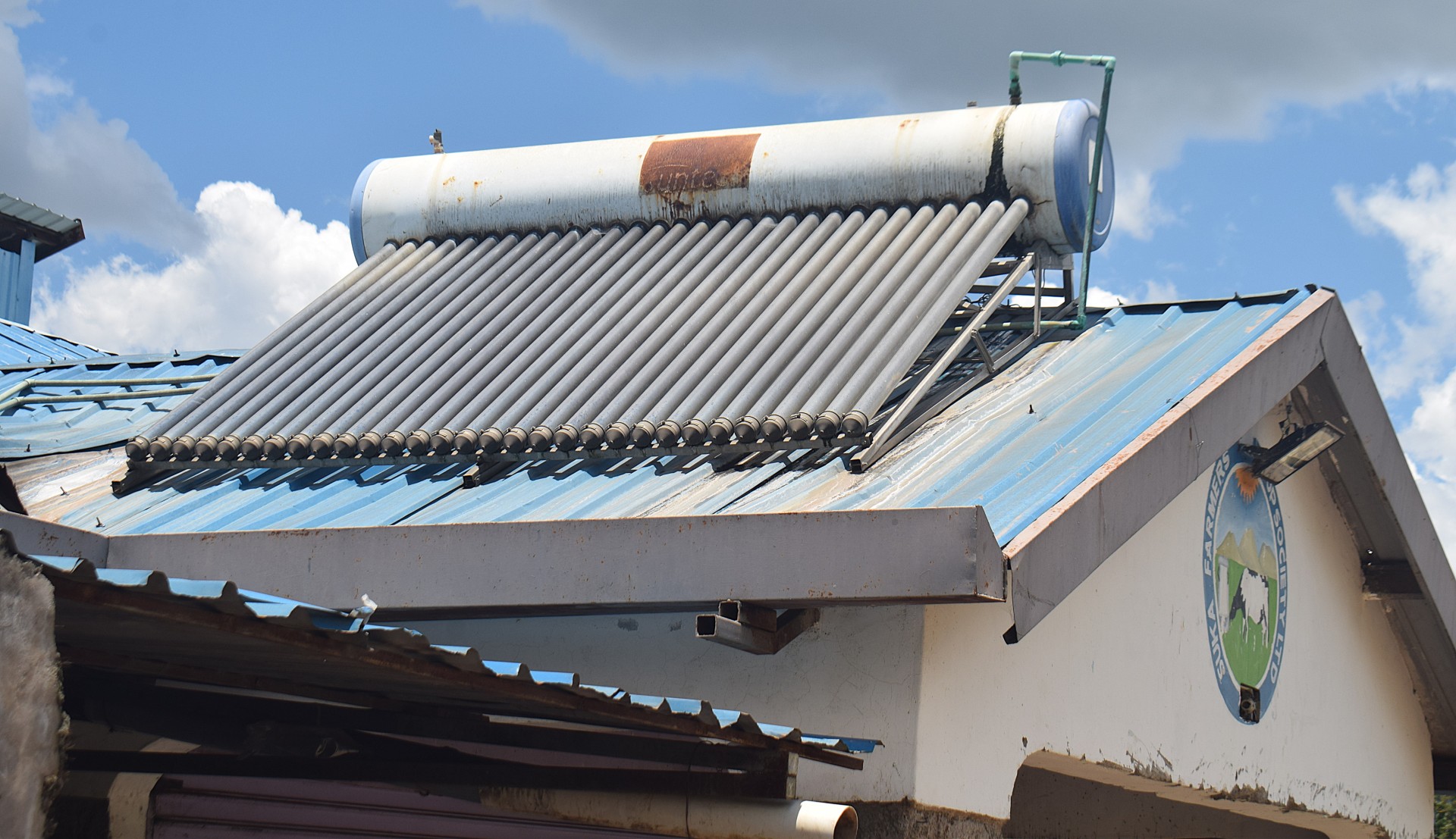
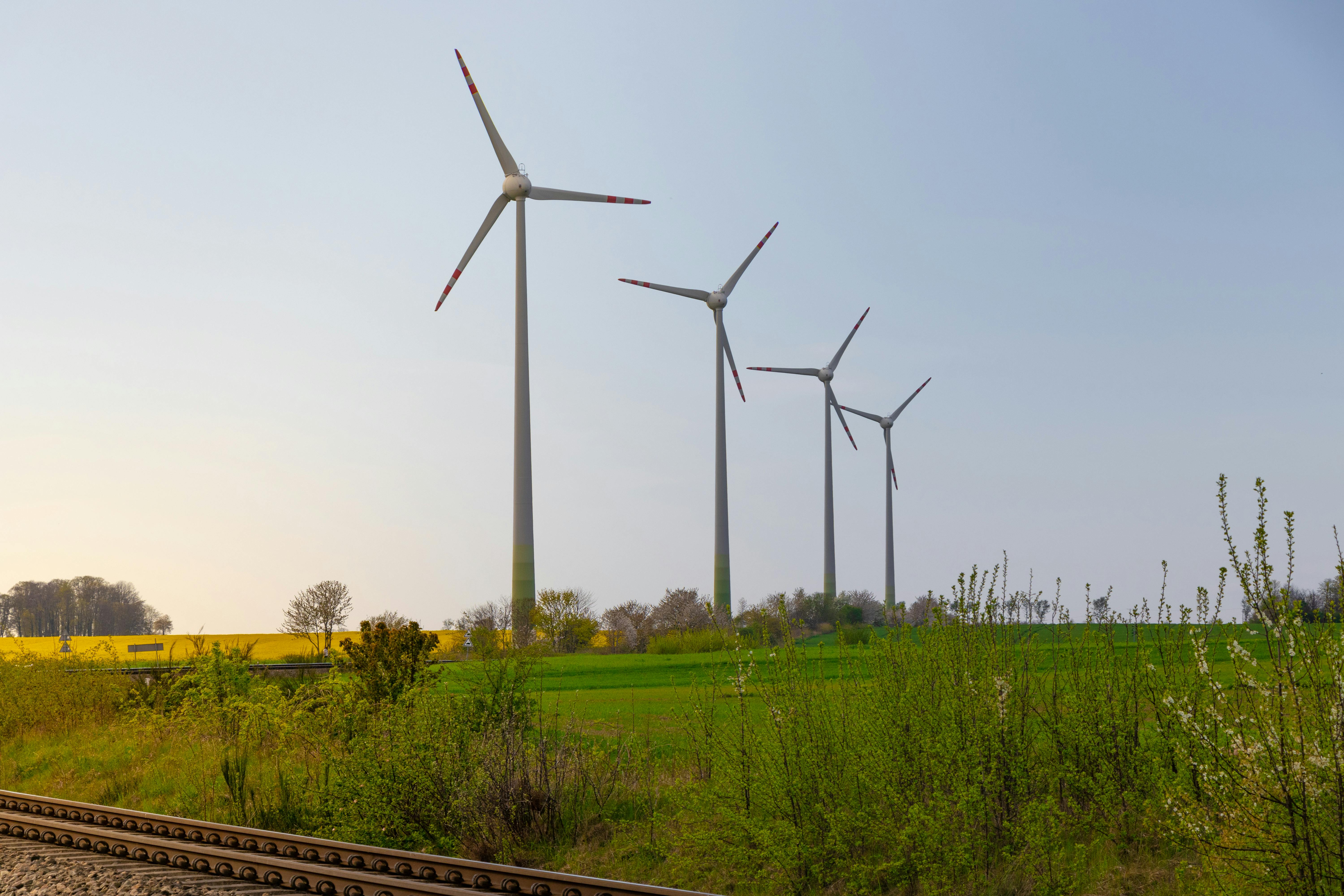
- With the International Day of Clean Energy now in place, 2026 becomes the first full year to carry this momentum forward. Governments, businesses, and communities can move from awareness to action and show that running the world on sustainable energy is not only achievable—it is necessary
“Renewable energy is the engine that can drive a just & equitable transition away from fossil fuels. The roadmap is clear: we must triple global renewable capacity by 2030. A clean energy future is within reach,” says António Guterres, UN Secretary‑General.
When the world observed the first International Day of Clean Energy on January 26, 2025, it wasn’t just a ceremonial date. It was a reminder that the transition to clean energy is not optional — it is the defining choice of our era.
The evidence was already visible: global renewable capacity surged past 4,400 gigawatts, solar power alone grew by more than 450 gigawatts, and renewables overtook coal in electricity generation for the first time in history.
Why the Transition Matters
1. Climate Survival: Clean energy is the most effective tool to cut greenhouse gas emissions, keeping nations aligned with the Paris Agreement’s goal of limiting warming to 1.5°C. Without this transition, climate disasters intensify and adaptation costs spiral.
Read More
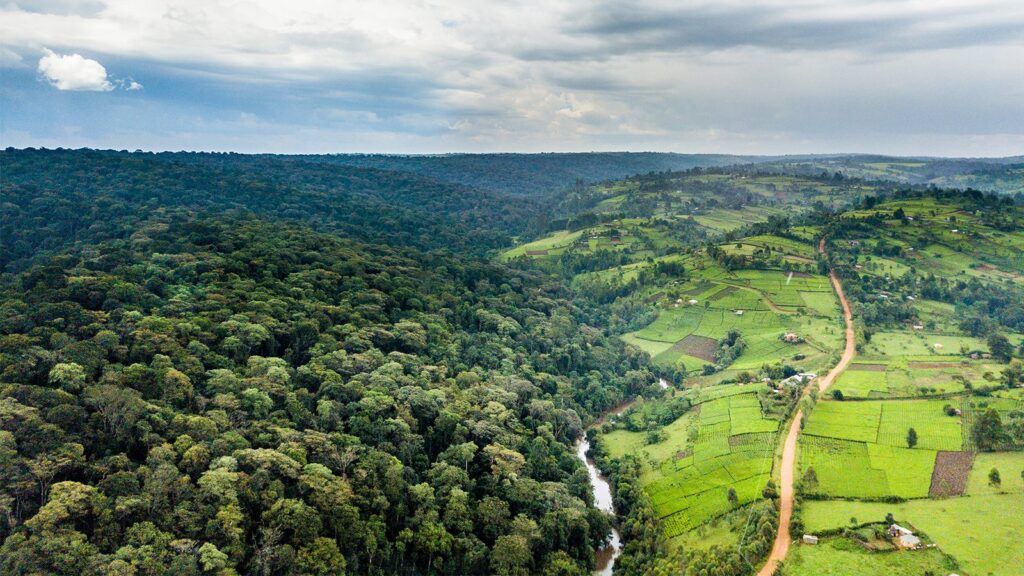
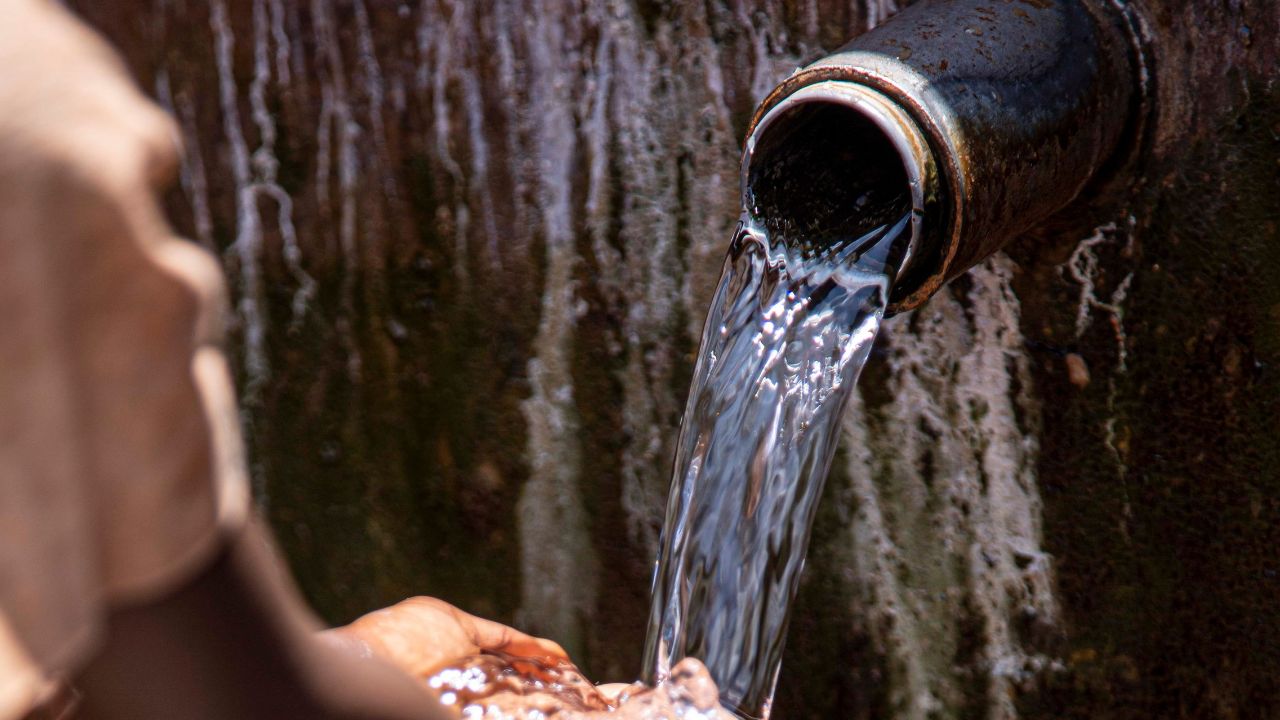
2. Protecting Ecosystems: Moving away from fossil fuels reduces oil spills, mining scars, and habitat destruction. Clean energy safeguards biodiversity and water systems that communities depend on.
3. Economic Justice: The transition creates millions of jobs in solar, wind, hydropower, and geothermal industries. It offers opportunities for youth and marginalized communities, turning climate action into a driver of equity.
4. Energy Security: By reducing dependence on imported fuels, nations shield themselves from volatile prices and geopolitical shocks. Clean energy is not just green — it is resilient.
In November 2025, António Guterres stressed that 90 percent of new power capacity came from renewables. “The economics are on our side,” he said, “but political will needs to catch up.”
His words capture the urgency: the transition is technically possible and economically sound, but it requires courage from leaders and commitment from societies.
With the International Day of Clean Energy now established, 2026 is the first full year to carry this momentum forward. Governments, businesses, and communities must move from awareness to action, proving that running the world on sustainable energy is not only achievable — it is necessary.
The clean energy transition matters because it is about more than power grids and turbines. It is about **survival, justice, and resilience**. It is about whether humanity chooses a future defined by crisis or one defined by possibility.
The International Day of Clean Energy is not just a marker in time — it is a call to act, reminding us that the transition is the bridge between today’s challenges and tomorrow’s hope.
Follow us on TikTok for real-time updates, community voices, and stories that matter.
-1785307406.jpeg)

-1784287755.jpg)