
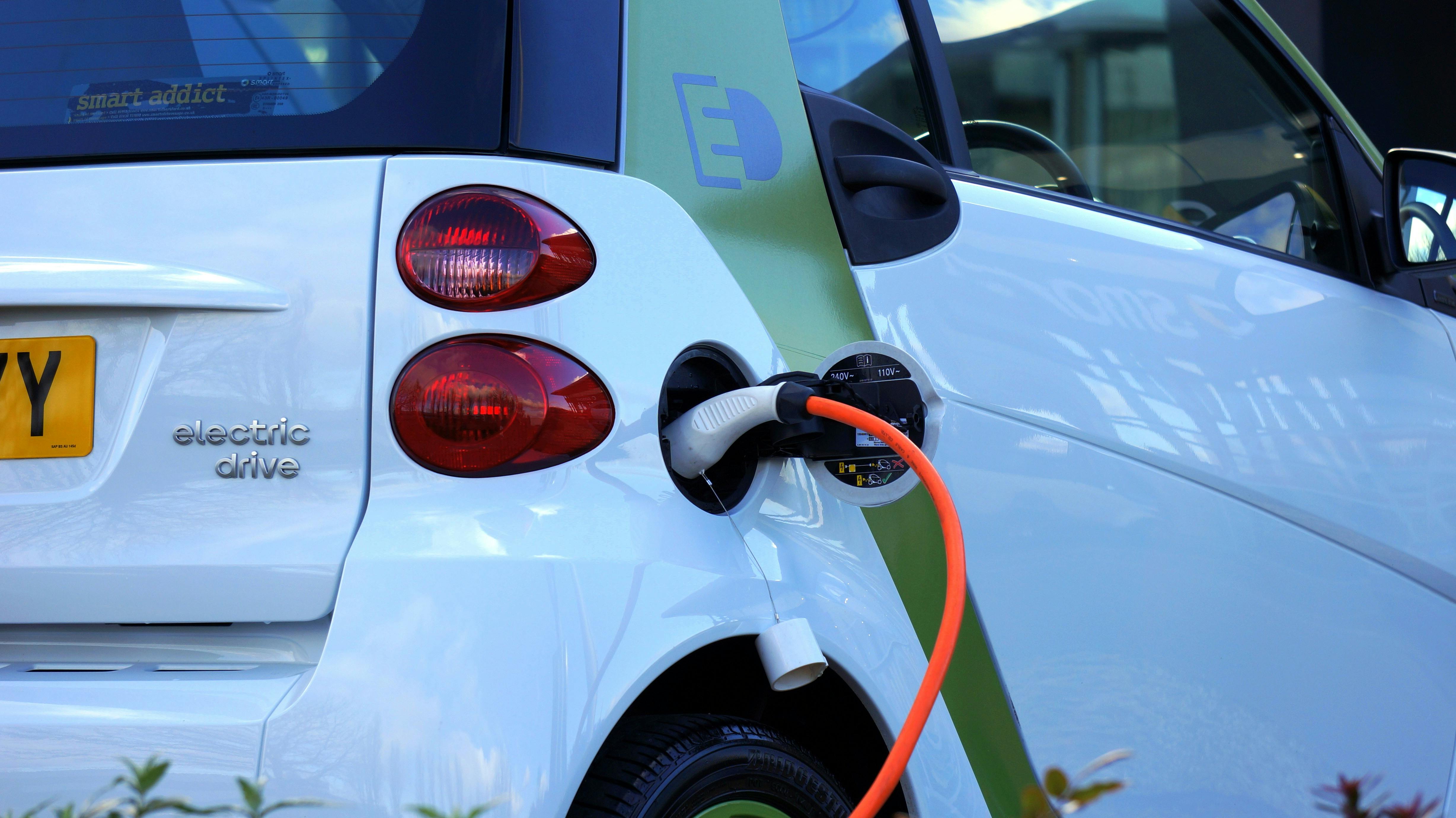
- Electric vehicles are becoming a much bigger part of the global transport system, and the pace of change over the last few years has been striking.
- By 2024, electric vehicles accounted for about 22 percent of all new passenger cars sold worldwide.
Electric vehicles are becoming a much bigger part of the global transport system, and the pace of change over the last few years has been striking. According to World Resources Institute (WRI) by 2024, electric vehicles (EVs) accounted for about 22 percent of all new passenger cars sold worldwide.
This was not a small or gradual increase, it was roughly eight times higher than the share recorded just five years earlier. The figures show that the shift away from petrol and diesel cars is no longer a distant idea but a transition that is already underway in many parts of the world.
However, this progress has not happened evenly across countries. Some nations have moved much faster than others, depending on government policies, affordability, and access to charging infrastructure.
1. China
When looking at the total number of electric vehicles sold, China clearly leads the world.
Read More
In 2024 alone, it sold more than 11 million electric passenger vehicles, far more than any other country. Because China has such a large car market, its rapid adoption of electric vehicles plays a major role in reducing global transport emissions.
2. United States, Germany, United Kingdom, and France
Other large markets such as the United States, Germany, the United Kingdom and France also recorded high electric vehicle sales, but they still trail far behind China in overall numbers.
3. Norway: Global Leader in Market Share
A different picture emerges when electric vehicle adoption is measured as a share of total car sales rather than total volume. Norway stands out as the global leader by a wide margin, with more than 90 percent of all new cars sold in 2024 being electric.
4. Sweden, Denmark, and Finland: Crossing the Halfway Mark
Other European countries such as Sweden, Denmark and Finland have also crossed the halfway mark, with electric vehicles making up more than half of new sales.
5. Nepal, Sri Lanka, and Ethiopia: Early but Growing Adoption
Additionally, in lower‑income countries such as Nepal, Sri Lanka, and Ethiopia, electric vehicles are still at an early stage of adoption. While they remain a small share of overall vehicle imports, recent years have seen noticeable growth, particularly in two‑ and three‑wheeler electric models.
Much of this growth has been driven by the availability of affordable electric models, particularly from Chinese manufacturers, showing that rapid adoption is possible even in places with limited resources when costs fall and the right conditions exist.
Across all these examples, a clear pattern emerges. Once electric vehicles reach about one percent of a country’s new car sales, adoption tends to accelerate quickly.
As prices drop, charging infrastructure improves and more people become familiar with the technology, electric vehicles move from being a niche option to a mainstream choice. This helps explain why countries that acted early are now seeing the fastest growth.
Despite these gains, the world is still not moving fast enough to meet international climate goals. To stay on track with targets such as limiting global warming to 1.5 degrees Celsius, electric vehicles would need to make up between 75 percent and 95 percent of all new passenger car sales globally by 2030.
At the current pace, that target remains out of reach. This matters because transport is one of the largest sources of greenhouse gas emissions, and passenger vehicles contribute a significant share of that pollution.
Electric vehicles do not produce tailpipe emissions, meaning wider adoption directly reduces carbon dioxide output and improves air quality, especially in cities.
The experience of countries that have adopted electric vehicles fastest shows that strong and consistent government policies, affordable vehicle options and reliable charging networks make a real difference. While global momentum is building, the next few years will be critical.
Accelerating the transition to electric vehicles is not just about new technology, it is a key step toward cutting emissions, cleaning the air and building a more sustainable transport system for the future.
Nevertheless, it's important to note that increasing EV sales is only part of the story. To decarbonize road transportation, old gas- and diesel-powered vehicles will need to be retired rather than be sold to other drivers or to developing countries. In addition, the increasing popularity of large vehicles like SUVs will have to be reversed.
Follow us on TikTok for real-time updates, community voices, and stories that matter.
-1785307406.jpeg)



-1784287755.jpg)