- Wetlands are often described as the Earth’s kidneys, filtering water and sustaining biodiversity, but they are also cultural archives—repositories of indigenous knowledge, livelihoods, and identity.
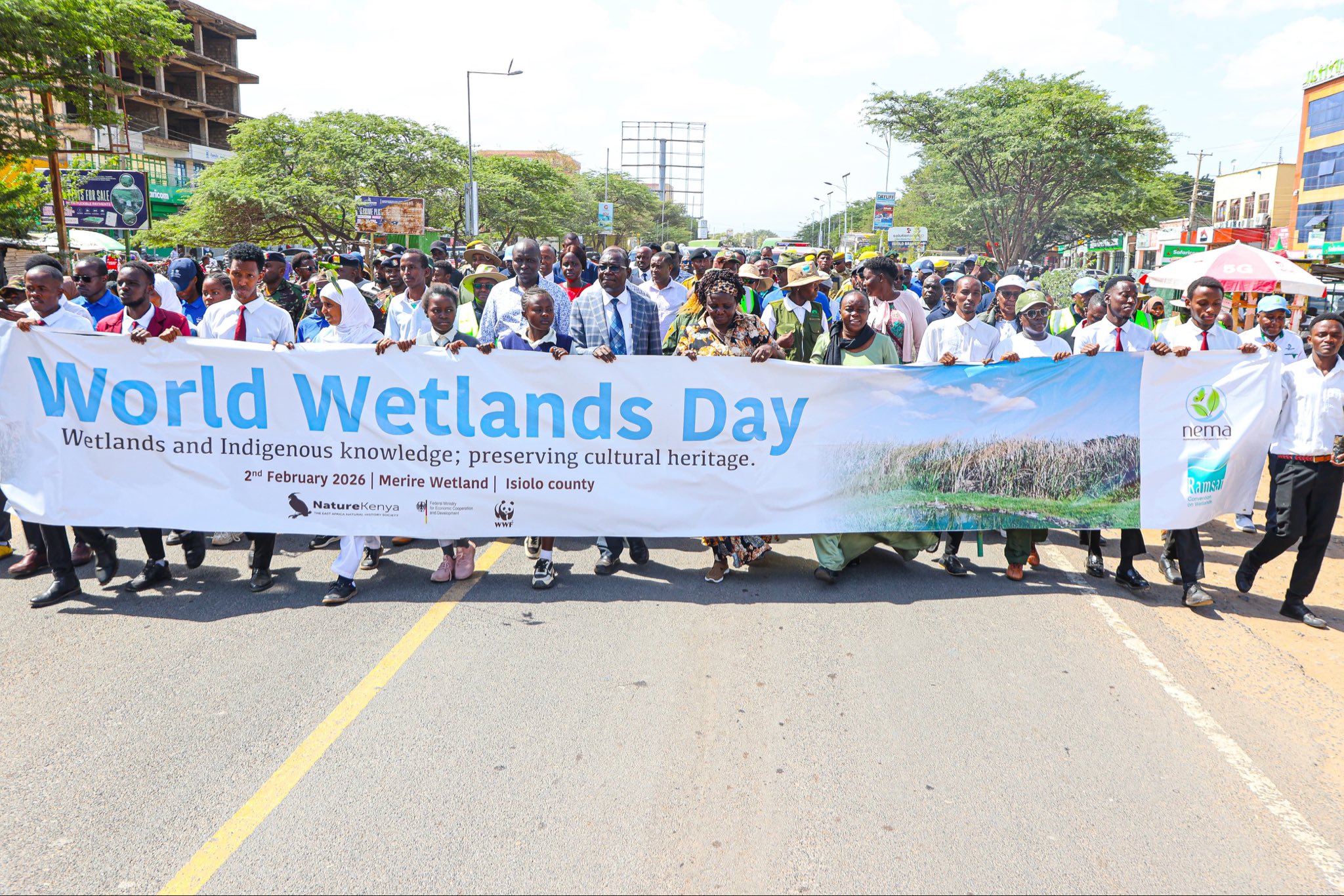
When the world marked World Wetlands Day 2026, Kenya’s commemoration at Merire Wetland in Isiolo carried a resonance that transcends the day itself.
Wetlands are often described as the Earth’s kidneys, filtering water and sustaining biodiversity, but they also serve as cultural archives, repositories of indigenous knowledge, livelihoods, and identity.
This year’s theme, “Wetlands and Indigenous Knowledge: Preserving Cultural Heritage,” reminds us that wetlands are not just ecological zones; they are living libraries.
Pastoralists, farmers, and fisherfolk have long relied on Merire and other wetlands to sustain life in fragile landscapes. Their practices (rotational grazing and water-sharing customs) encode centuries of wisdom about the balance between human need and ecological resilience.
World Wetlands Day traces its origins to February 2, 1971, when nations gathered in Ramsar, Iran, to adopt the Ramsar Convention on the Wise Use of Wetlands. That treaty, now in its 55th year, remains the cornerstone of global wetland governance.
Its Secretariat in Gland, Switzerland, has guided countries in protecting wetlands not as isolated ecosystems but as interconnected lifelines.
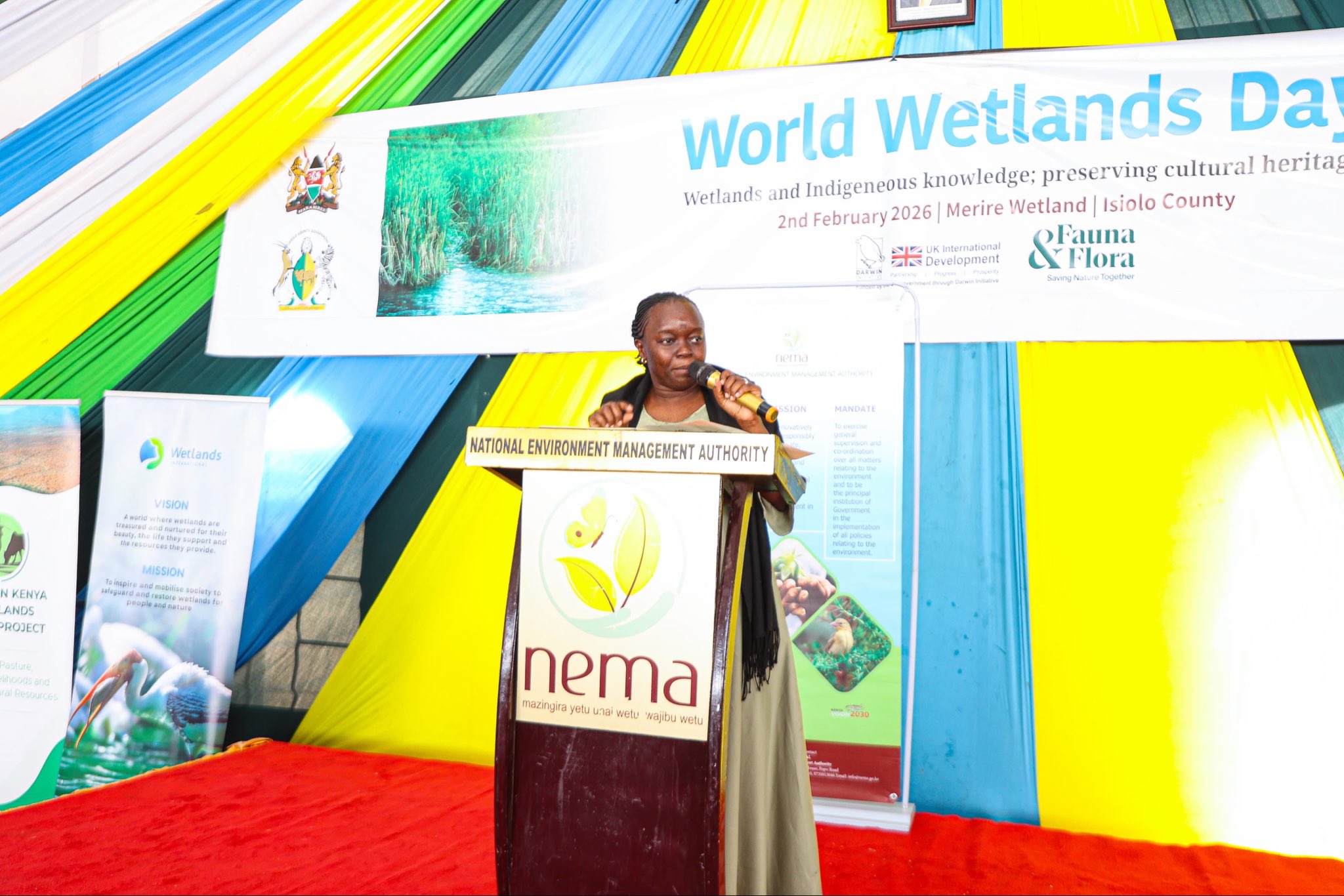
According to Kenya’s Cabinet Secretary (CS) for Environment, Climate Change, and Forestry, Deborah Mulongo Barasa, the choice of Merire Wetland as the site of Kenya’s commemoration was deliberate.
“We deliberately chose to observe this important day at Merire Wetland in Isiolo County due to its critical role in supporting fisheries development, biodiversity conservation, and environmental sustainability within an urban setting,” Dr Deborah notes.
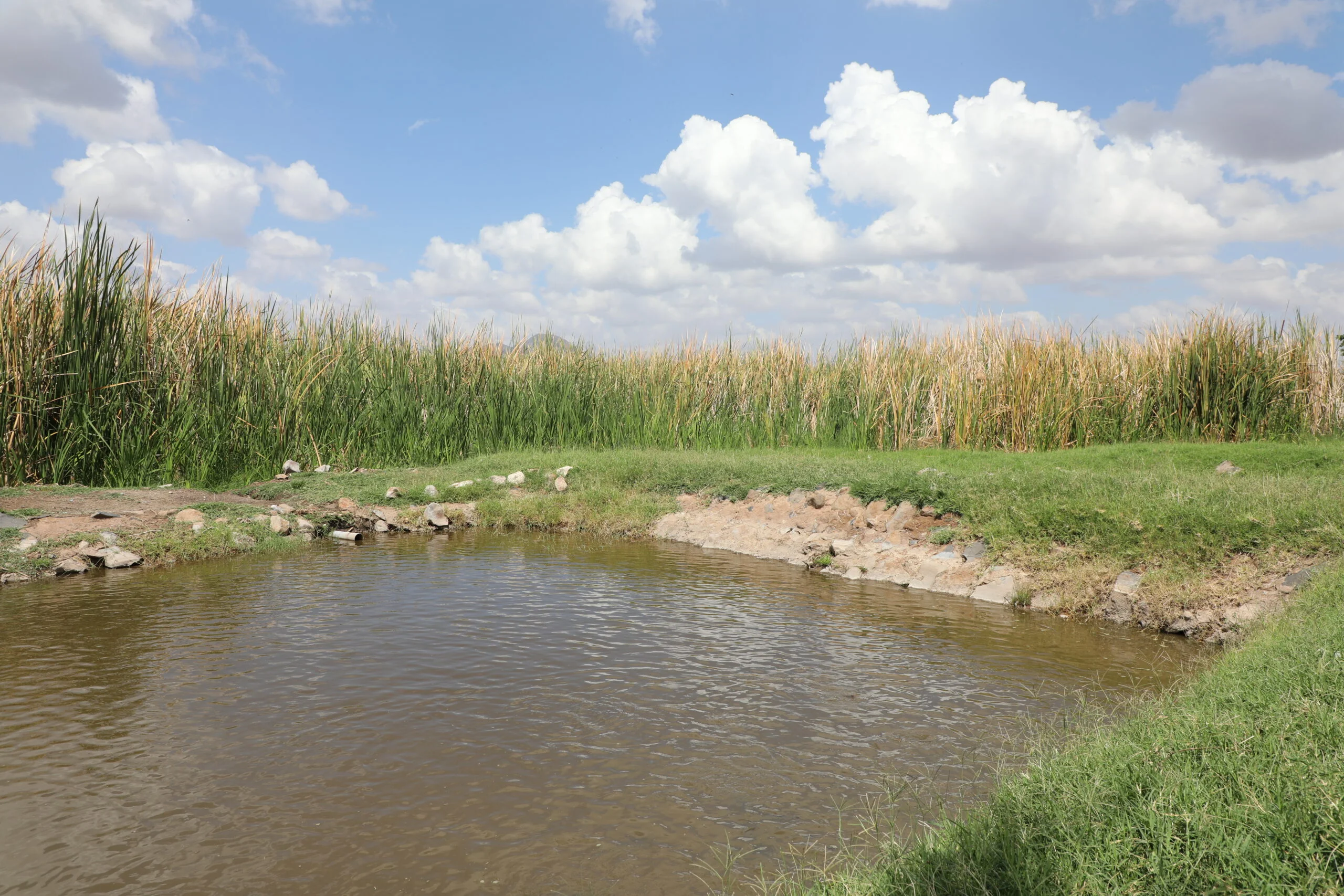
Nestled within the Ewaso Ng’iro North catchment, Merire is a pulse point for biodiversity, fisheries, and urban sustainability. Its protection sustains pastoralist livelihoods, buffers farming communities, and anchors biodiversity in a region where climate change is rewriting survival scripts.
Yet Merire also embodies the paradox of wetlands globally: indispensable, yet endangered. Pollution, encroachment, reclamation, and fragmented policies continue to erode their resilience. The threats are visible in shrinking water tables, disappearing species, and livelihoods under strain.
Kenya’s wetlands story is inseparable from its broader climate action agenda. The Adopt-a-Wetland Initiative, with over 60 stakeholders engaged nationwide, serves as a civic experiment in collective responsibility.
The CS for East African Community (EAC) Affairs, Arid and Semi-Arid Lands (ASALs) and Regional Development, Beatrice Askul Moe, has underscored this, stating, “wetlands are critical, high-value resources for the livelihoods of pastoral communities, acting as essential water sources, dry-season grazing and drought refuges for livestock in the Arid and Semi-Arid areas.”
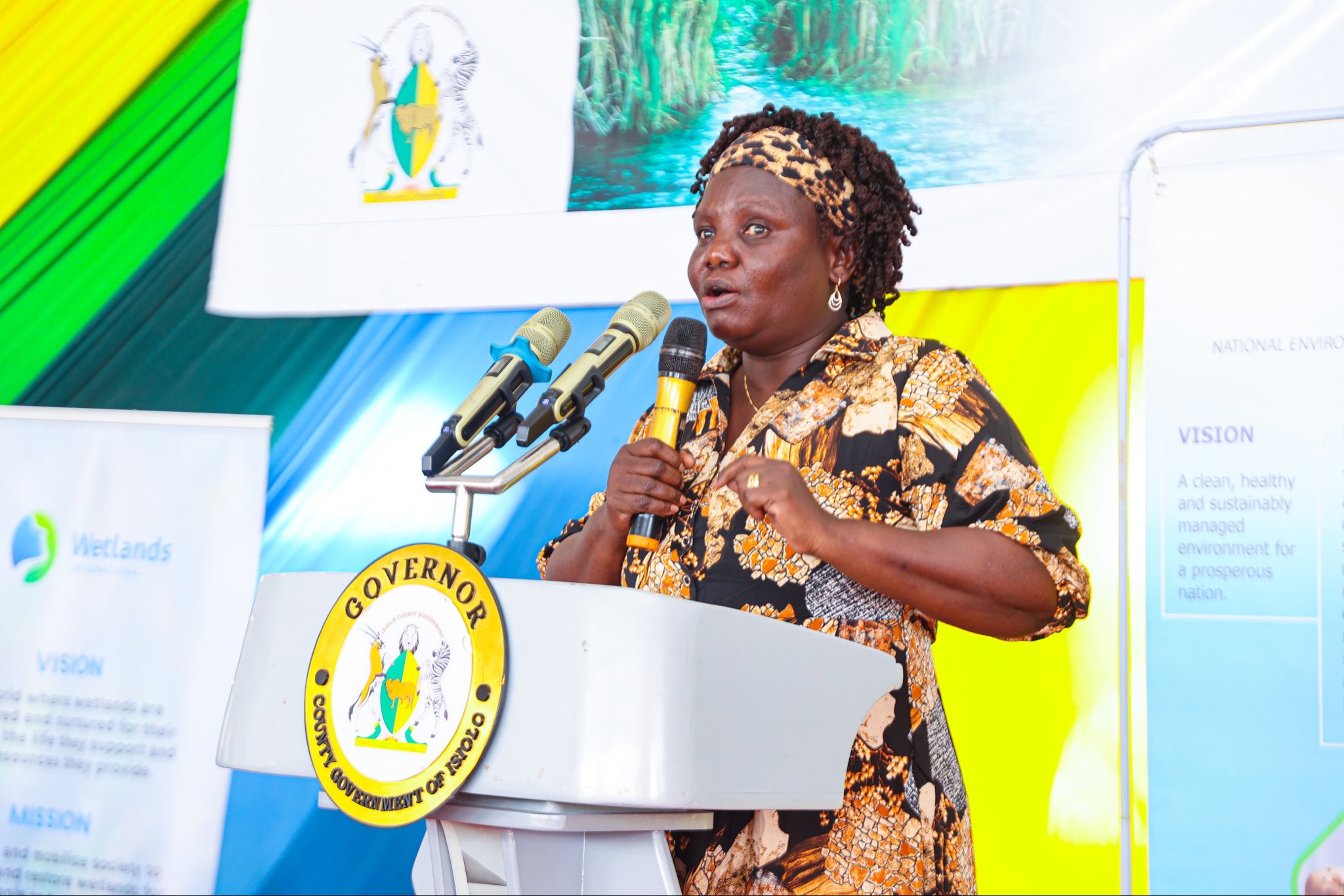
By linking wetland restoration to the national target of 15 billion trees by 2032, Kenya is reframing wetlands as climate infrastructure: natural systems that absorb shocks, store carbon, and sustain communities.
Each commemoration of World Wetlands Day is a reminder that wetlands are not passive landscapes; they are civic memory. They hold the stories of indigenous communities, the ambitions of policymakers, and the anxieties of a warming planet.
Kenya’s observance at Merire Wetland is therefore a chapter in an ongoing narrative. The Ramsar Convention may have been signed 55 years ago, but its spirit is alive in every effort to restore, protect, and reimagine wetlands as cultural heritage and climate lifelines.
Follow us on TikTok for real-time updates, community voices, and stories that matter
-1785307406.jpeg)

-1784287755.jpg)