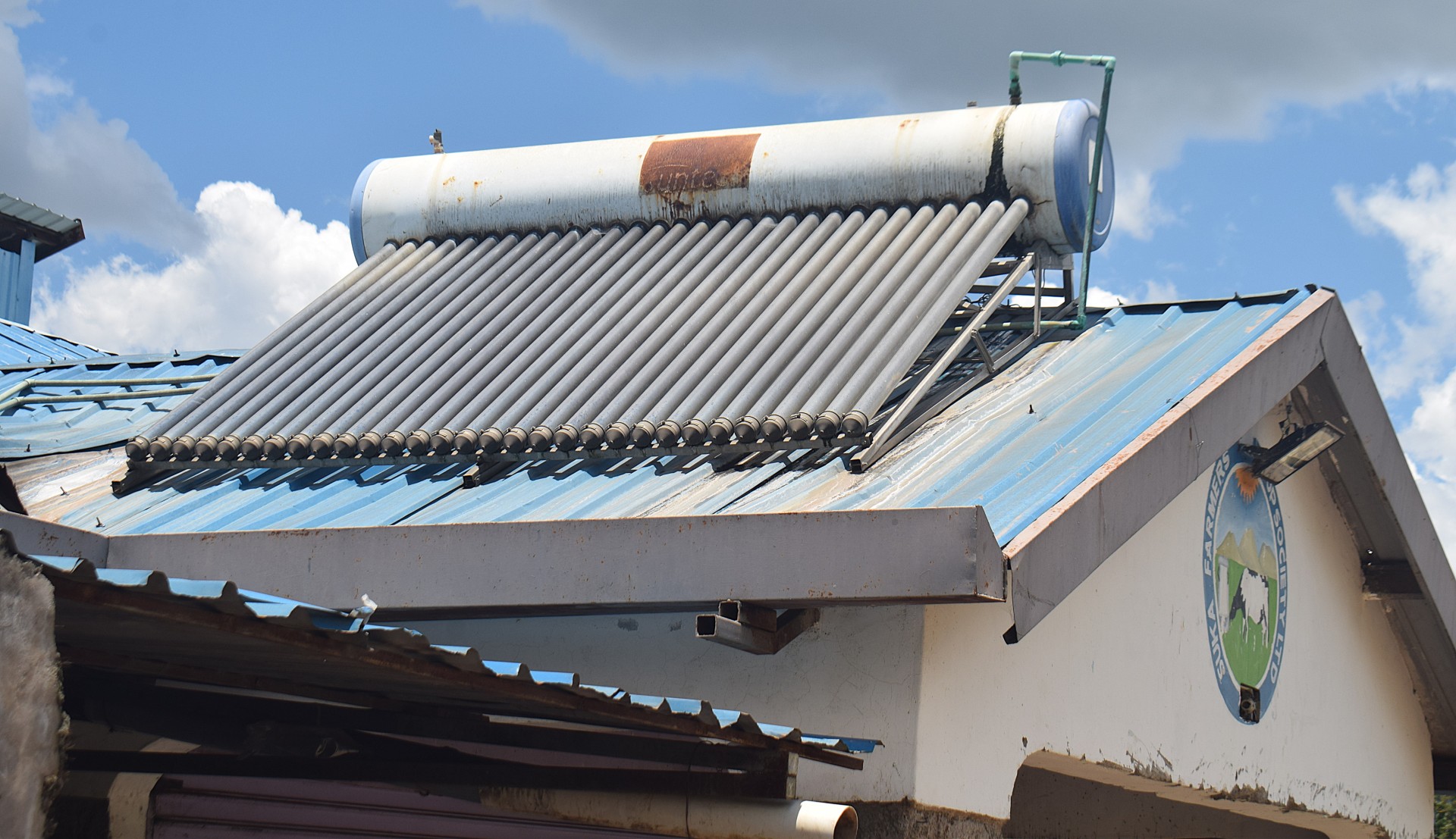

- WMO Secretary‑General Celeste Saulo has noted that high land and ocean temperatures fueled extreme weather events such as heatwaves, heavy rainfall, and intense tropical cyclones, underscoring the urgent need for early warning systems.
The World Meteorological Organization has confirmed that 2025 was one of the three hottest years ever recorded, despite beginning and ending with a cooling La Niña. According to WMO’s consolidated analysis of eight global datasets, the global average surface temperature stood at 1.44 °C above the 1850–1900 pre‑industrial baseline, with two datasets ranking 2025 as the second warmest year and six placing it third.
WMO Secretary‑General Celeste Saulo has noted that high land and ocean temperatures fueled extreme weather events such as heatwaves, heavy rainfall, and intense tropical cyclones, underscoring the urgent need for early warning systems.
A separate study published in Advances in Atmospheric Sciences reported that ocean temperatures in 2025 were also among the highest on record, reflecting the long‑term accumulation of heat within the climate system.
Scientists emphasize that about 90% of excess heat from global warming is stored in the ocean, making ocean heat a critical indicator of climate change. The year before, 2024 set the all‑time record, with global temperatures averaging 1.55 °C above pre‑industrial levels, the highest in the 175‑year observational record.
These back‑to‑back milestones highlight why the world is striving to regulate heat: extreme temperatures are now the deadliest weather hazard, threatening ecosystems, economies, and human health.
Read More
Efforts to limit global heat through cutting greenhouse gas emissions and adapting societies aim to slow climate change, reduce the frequency of deadly heatwaves, and protect vulnerable communities.
Central to this global response is the Paris Agreement, adopted in 2015, which commits nations to keep warming well below 2 °C and pursue efforts to limit it to 1.5 °C, setting a collective path toward a safer and more sustainable future.
Follow us on WhatsApp for real-time updates, community voices, and stories that matter.
-1785307406.jpeg)

-1784287755.jpg)