- Global dietary patterns must move toward more plant‑heavy diets. Animal agriculture has a disproportionate effect on biodiversity, land use, and the environment. A shift in diets, coupled with reducing global food waste, would ease pressure on ecosystems, improve public health, and even lower the risk of pandemics.
Agriculture and biodiversity are deeply linked, each depends on the other, though they can also be in conflict. For centuries, farming has sustained humanity, supplying food, clothing materials, and livelihoods.
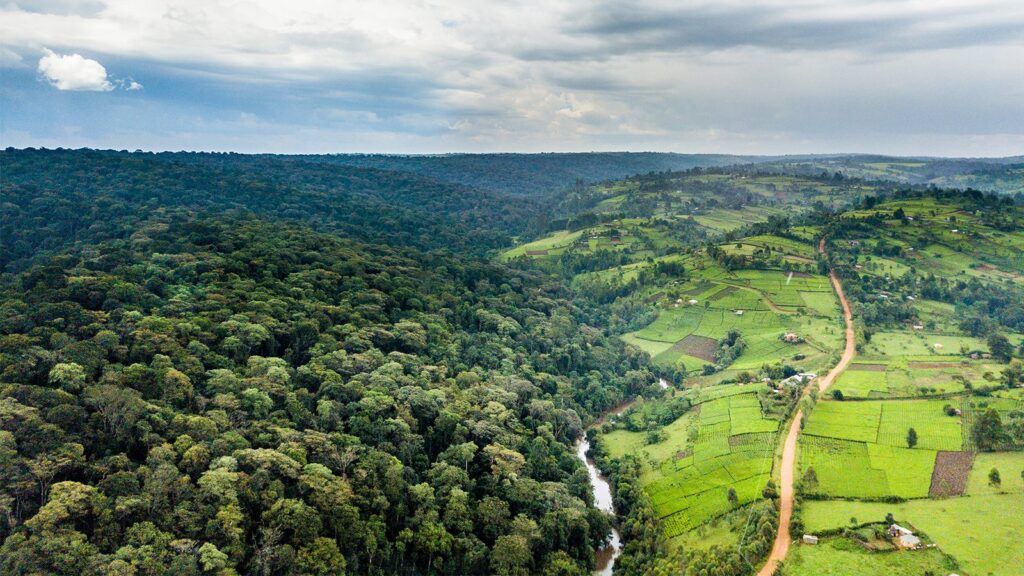
However, the manner in which humans cultivate land can either nurture ecosystems or erode them. Expanding fields and monocultures have cleared forests, drained wetlands, and silenced the variety of species that once thrived in those landscapes.
And yet, biodiversity remains the hidden engine of agriculture. Pollinators ensure harvests, soil organisms maintain fertility, and diverse genetic resources make crops resilient to pests and climate shocks. Without this living web, agriculture itself would falter.
The United Nations Environment Programme (UNEP) warns that the current trajectory of biodiversity decline will undermine progress toward 35 of the 44 Sustainable Development Goals — from poverty and hunger to health, water, climate, oceans, and land. Agriculture, UNEP notes, has altered the face of the planet more than any other human activity.
“We need to transform our food systems to become more sustainable and resilient in order to reverse environmental degradation, restore ecosystems, and ensure food and nutritional security,” UNEP says.
Read More
So what does transformation look like? UNEP outlines three urgent actions:
1. Shift Diets Toward Plants
Global dietary patterns must move toward more plant‑heavy diets. Animal agriculture has a disproportionate effect on biodiversity, land use, and the environment. A shift in diets, coupled with reducing global food waste, would ease pressure on ecosystems, improve public health, and even lower the risk of pandemics.
2. Protect Land for Nature
More land must be safeguarded and set aside for nature. Avoiding further conversion of native ecosystems into farmland is essential. Dietary shifts are part of this equation; they reduce demand for land, allowing degraded habitats to be restored and existing ones preserved.
3. Farm with Nature, Not Against It
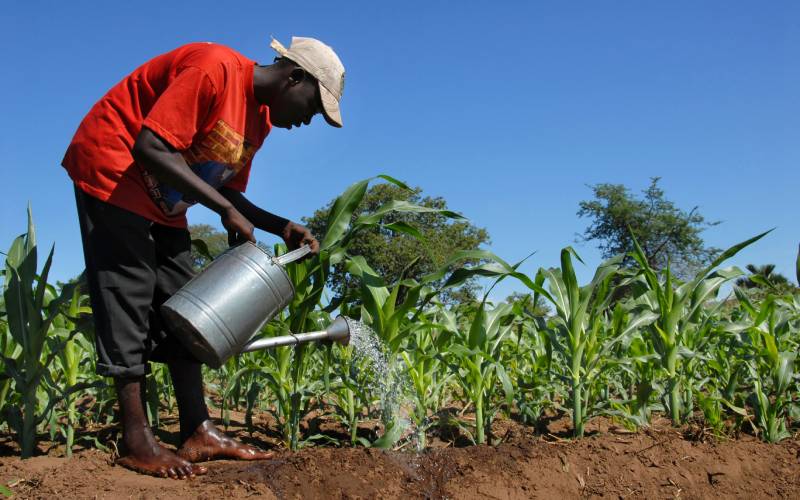
Agriculture must become biodiversity‑friendly. That means limiting chemical inputs, moving away from monocultures, and embracing polyculture farming practices that mimic natural systems. Such approaches restore balance, support wildlife, and build resilience into food production.
Follow us on WhatsApp for real-time updates, community voices, and stories that matter.
-1785307406.jpeg)


-1784287755.jpg)