- The High Seas Treaty is a major step forward in how the world protects its oceans.
- For the first time, countries have agreed on a legally binding international agreement to govern the high seas.
The High Seas Treaty is a major step forward in how the world protects its oceans. For the first time, countries have agreed on a legally binding international agreement to govern the high seas.
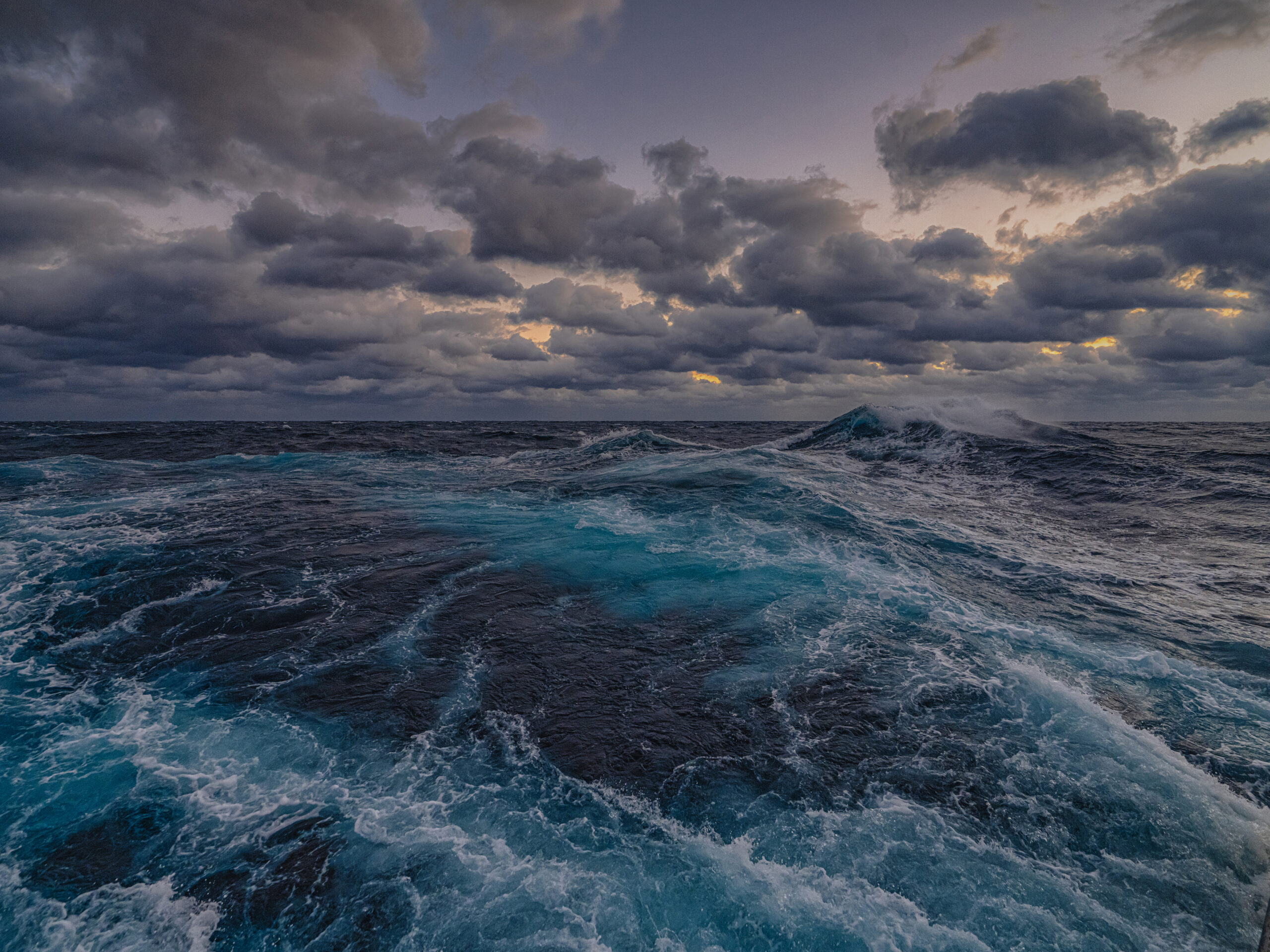
These are the parts of the ocean that lie beyond national borders and make up about two thirds of the world’s oceans. For a long time, these waters had very few rules, which allowed activities like overfishing, pollution and unregulated mining to harm marine life with little accountability.
The treaty, officially known as the Agreement on the Conservation and Sustainable Use of Marine Biological Diversity of Areas Beyond National Jurisdiction, was adopted in 2023 after more than twenty years of negotiations.
It builds on existing international ocean laws by extending environmental protections into international waters that were previously difficult to manage collectively. The goal is simple but important: to make sure the high seas are used in a way that protects marine life while still allowing responsible human activity.
One of the most important parts of the treaty is the ability to create marine protected areas in the open ocean. Until now, countries could only set up protected areas within their own waters.
Read More
With this agreement, nations can work together to protect sensitive parts of the high seas, giving marine species safe spaces to recover and thrive. These protected areas can help reduce overfishing, protect biodiversity and strengthen ocean ecosystems.
The treaty also introduces clear rules around. Before large scale activities environmental impact assessments, such as deep sea mining can take place in international waters, their potential effects on marine ecosystems must be studied and shared openly.
This helps prevent serious damage before it happens and ensures that climate impacts are considered when decisions are made about ocean use.
Another key focus of the agreement is fairness. Many organisms found in the deep ocean contain genetic material that can be used in medicine, science and technology.
The treaty sets out a system to ensure that benefits from using these marine genetic resources are shared more equitably, especially with developing countries.
This helps support conservation efforts and ensures that the high seas are not exploited only by those with the most resources.
The agreement also encourages countries to cooperate more closely in marine research. By sharing data, technology and expertise, nations can better understand ocean ecosystems and make informed decisions about how to protect them.
This is especially important for countries that may not have the resources to conduct extensive ocean research on their own.
Importantly, the High Seas Treaty is not about stopping all activities in international waters. Instead, it aims to make sure these activities are carried out responsibly and sustainably.
It recognises that the ocean supports livelihoods, food systems and economies, while also playing a critical role in regulating the climate and supporting life on Earth.
For the treaty to become fully active, at least 60 countries need to ratify it. Once this happens, it will become legally binding and start shaping how the high seas are managed globally.
While many countries have already signed the agreement, continued commitment is needed to turn its promises into real action.
At a time when oceans are under increasing pressure from climate change, pollution and biodiversity loss, the High Seas Treaty offers a clear path forward.
By setting shared rules and encouraging cooperation, it provides a stronger foundation for protecting the high seas and ensuring that these vital waters are preserved for future generations.
Follow us on TikTok for real-time updates, community voices, and stories that matter.
-1785307406.jpeg)

-1784287755.jpg)