
Latest Stories
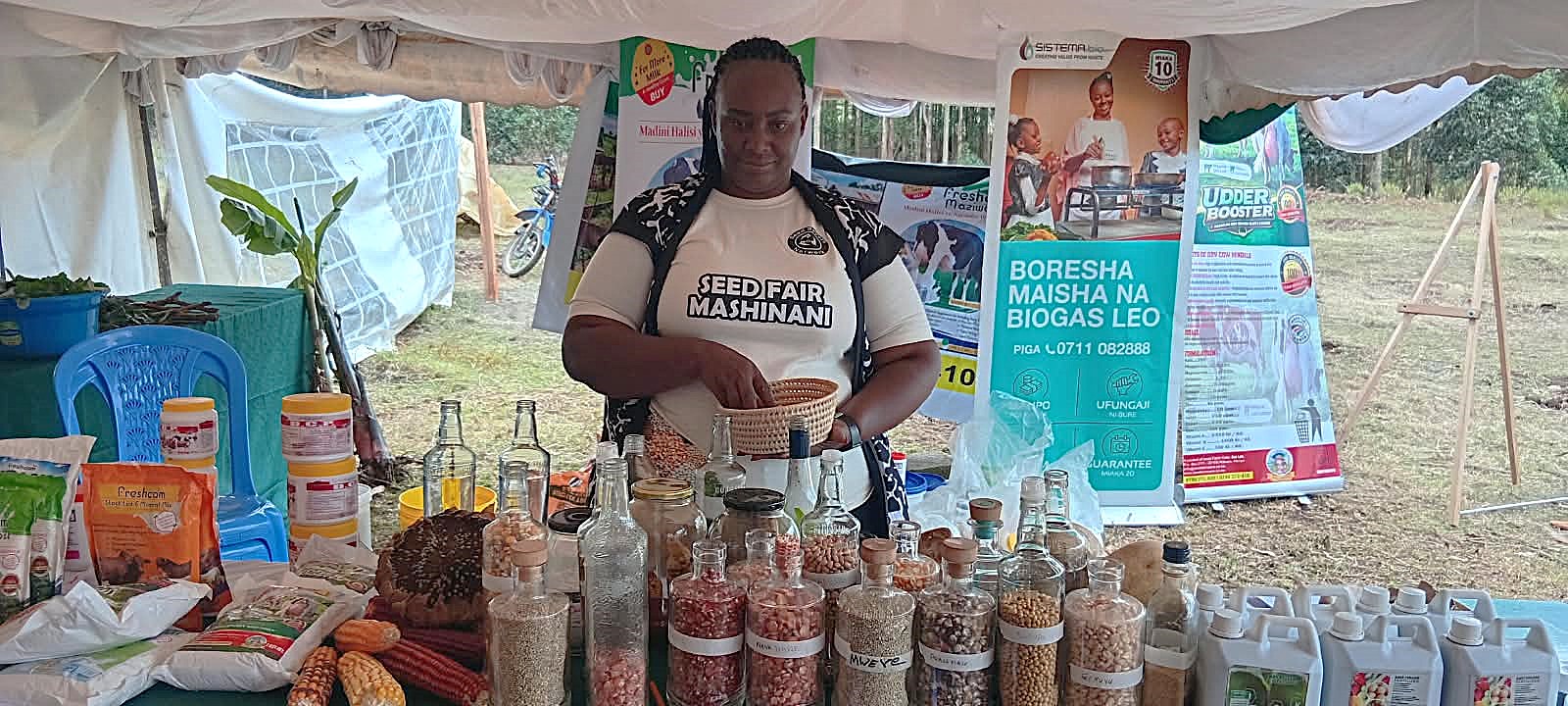
Kenyan Farmers Embrace Regenerative Agriculture and Renewable Energy
16 Oct, 2026 07:26 PM
“I would like to encourage farmers to try organic farming. Organic farming is the way to go. And also, let us do soil tests for future purposes,” says Wakonyo Mwangi.
“I would like to encourage farmers to try organic farming. Organic farming is the way to go. And also, let us do soil tests for future purposes,” says Wakonyo Mwangi.
-1785307406.jpeg)
LIVING RESILIENCE
The Forest Within the Tea: Kericho’s Climate Shield
29 Jul, 2026 09:45 AM
These trees are silent guardians of the ecosystem. Their deep roots anchor the fertile highland soils against erosion, while their broad canopies regulate temperatures, reduce evaporation and help maintain moisture within the tea estates.
These trees are silent guardians of the ecosystem. Their deep roots anchor the fertile highland soils against erosion, while their broad canopies regulate temperatures, reduce evaporation and help maintain moisture within the tea estates.
FOREST RECOVERY
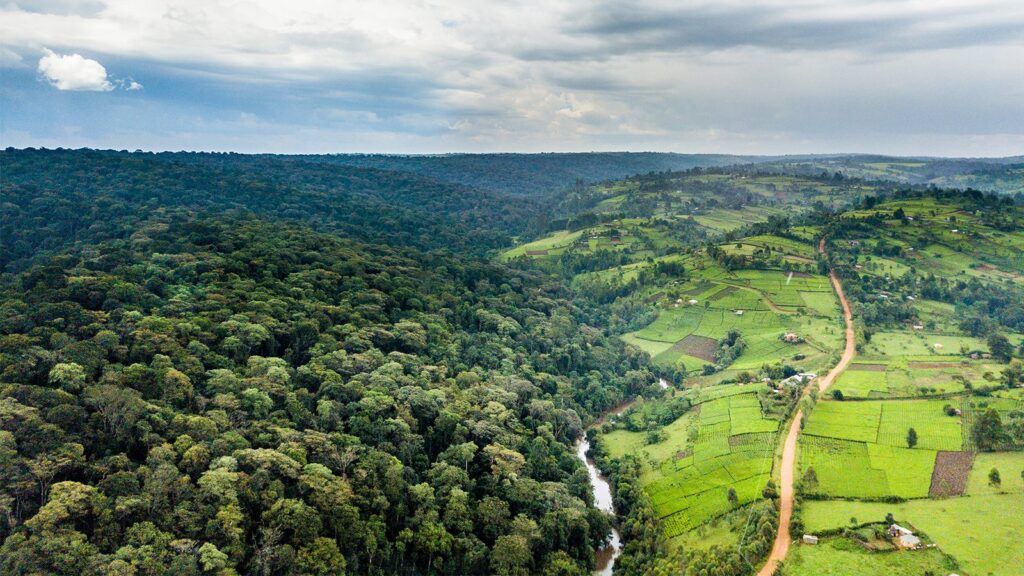
Saving the Mau: Kenya's Blueprint for Forest Recovery
23 Jul, 2026 03:30 PM
As of mid-2026, progress demonstrates what can happen when government, science, partners, and the public work together. The recovering Mau is now a strong icon of resilience. With the pledge, the Mau remains one of its strongest examples of nature
As of mid-2026, progress demonstrates what can happen when government, science, partners, and the public work together. The recovering Mau is now a strong icon of resilience. With the pledge, the Mau remains one of its strongest examples of nature
WATER LIFELINE
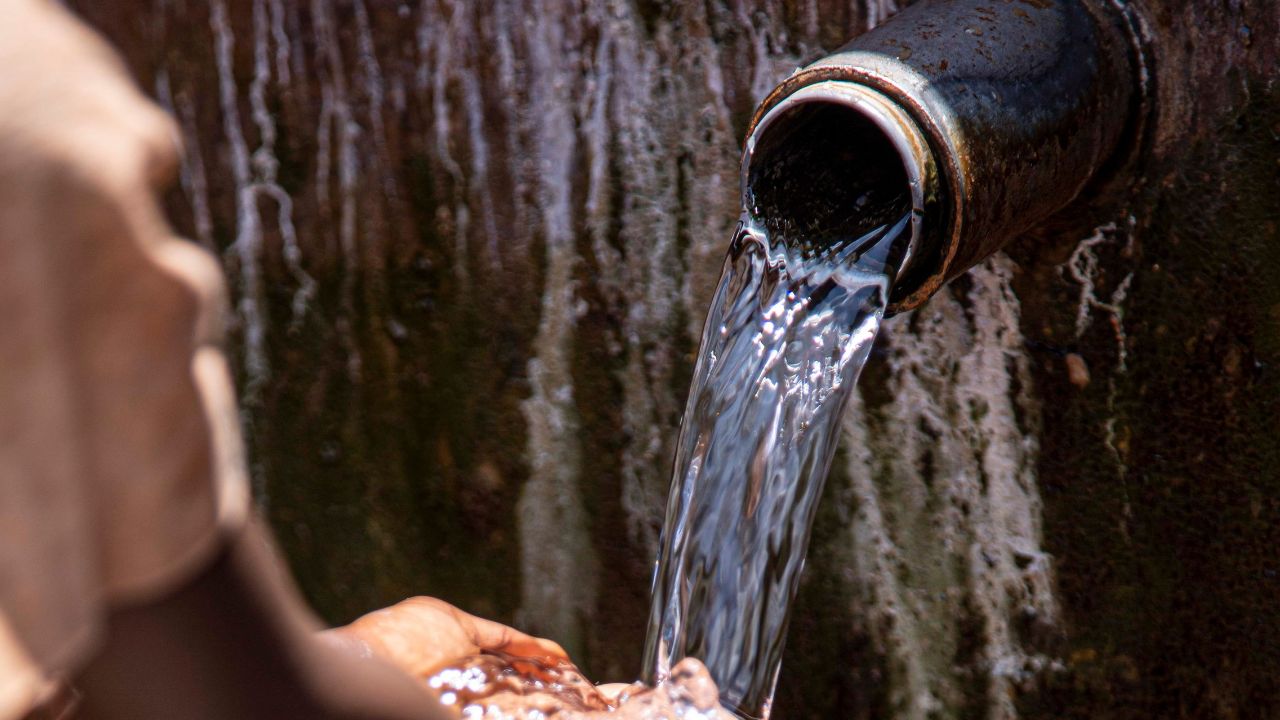
Engare Is Life: The Spring Sustaining Shankoe's Maasai
22 Jul, 2026 11:20 AM
For 37-year-old Naomi, the spring is both a source of water and her family’s income. Every morning, she fills dozens of jerrycans, loads them onto donkeys, and transports them to Shankoe Trading Centre, where she sells water to hotels, shops.
For 37-year-old Naomi, the spring is both a source of water and her family’s income. Every morning, she fills dozens of jerrycans, loads them onto donkeys, and transports them to Shankoe Trading Centre, where she sells water to hotels, shops.

DAIRY INNOVATION
Cold Chain on the Move: The Solar Milk Can Saving Farmers from Post-Harvest Losses
21 Jul, 2026 12:00 PM
The Nomad can is a novel innovation by Savanna Circuit a Kenyan agritech and clean energy company that designs and manufactures solar-powered cold chain solutions for agriculture.“This has enabled me to store milk from morning milking until evening...
The Nomad can is a novel innovation by Savanna Circuit a Kenyan agritech and clean energy company that designs and manufactures solar-powered cold chain solutions for agriculture.“This has enabled me to store milk from morning milking until evening...
-1784287755.jpg)
CLIMATE & GENDER
Kakenya's Dream Links Climate Action to Girls' Empowerment
17 Jul, 2026 02:34 PM
At the center of this vision stands the Youth-Friendly Health and Wellness Centre in Isampin, where a 30-kilowatt solar energy system comprising 36 high-capacity solar panels now provides clean and reliable electricity for the facility and staff residence
At the center of this vision stands the Youth-Friendly Health and Wellness Centre in Isampin, where a 30-kilowatt solar energy system comprising 36 high-capacity solar panels now provides clean and reliable electricity for the facility and staff residence
COST CUT
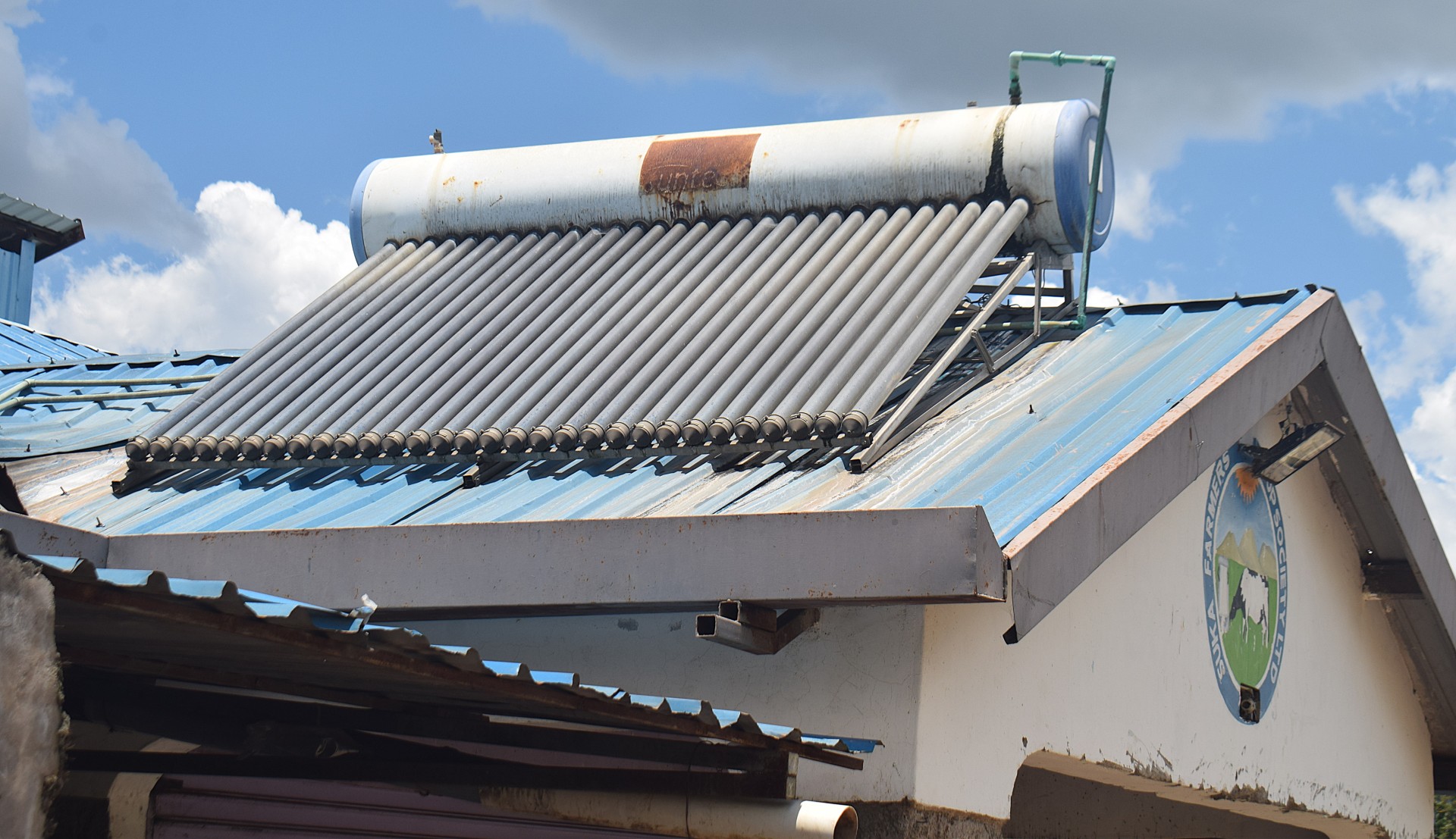
How Solar Power Helps SUKA Farmers Society Curb Production Costs
25 Mar, 2026 04:22 PM
Joseph Gakuhi, 56, a father of four, has been delivering milk to SUKA for several years. As he braves the cold with a Maasai shuka over his shoulders, he says this is his full-time job, just like those who work in offices.
Joseph Gakuhi, 56, a father of four, has been delivering milk to SUKA for several years. As he braves the cold with a Maasai shuka over his shoulders, he says this is his full-time job, just like those who work in offices.
TINY LESSONS
Ant Smuggling Exposes Kenya’s Conservation Blind Spot
21 Mar, 2026 12:27 PM
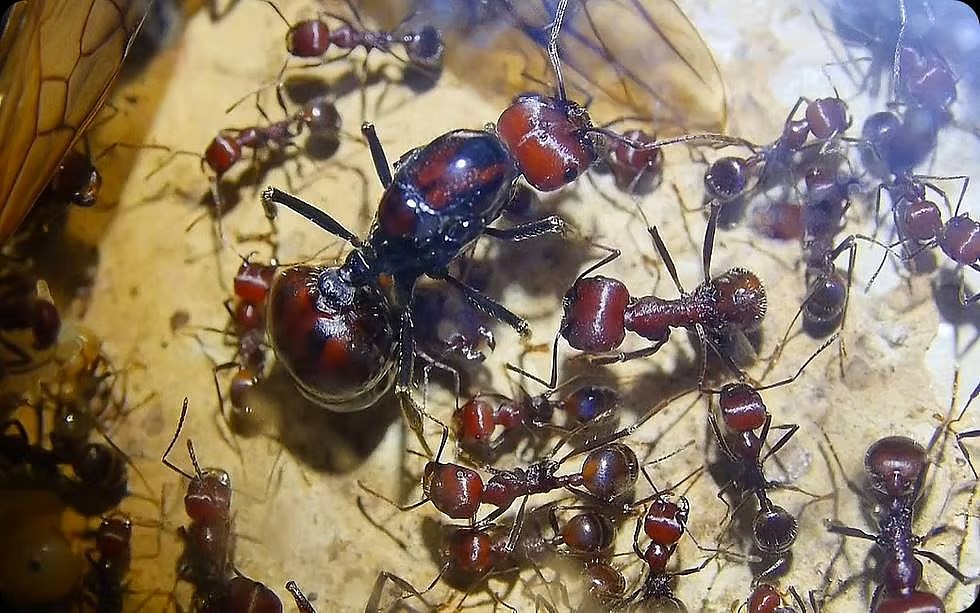
At Jomo Kenyatta International Airport, one suspect was caught with more than 2,000 ants hidden in his luggage. In another case, authorities intercepted thousands more destined for foreign markets. Last year, four people were convicted after being found w
At Jomo Kenyatta International Airport, one suspect was caught with more than 2,000 ants hidden in his luggage. In another case, authorities intercepted thousands more destined for foreign markets. Last year, four people were convicted after being found w
HABITAT HEROES
How Citizen Science is Saving Kenya’s Dryland Forests
16 Mar, 2026 11:21 AM
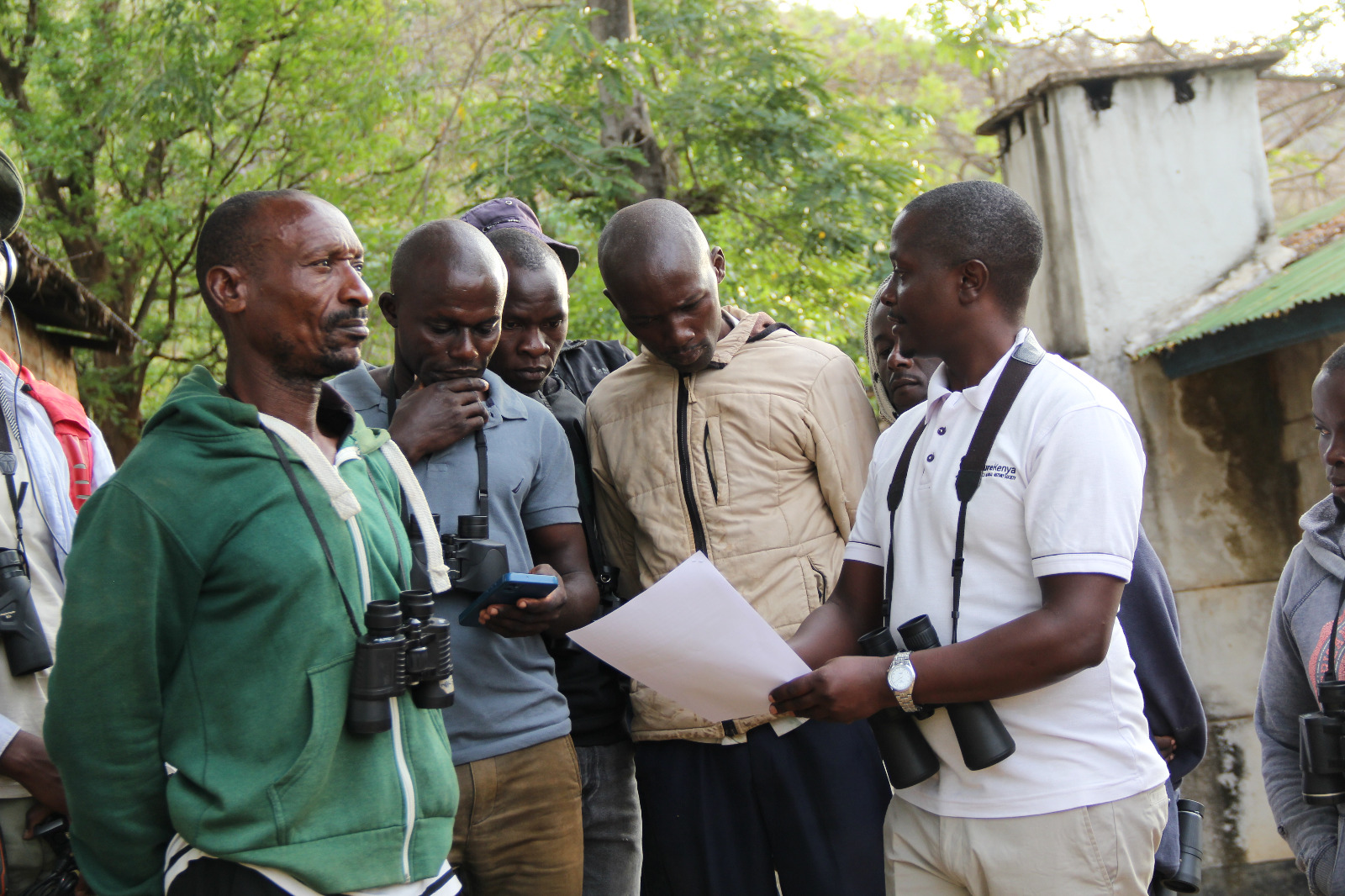
Dryland forests like Mutitu and Mumoni are islands of biodiversity that remain largely unvisited. Though tucked away from the main tourism circuits, these Key Biodiversity Areas (KBAs) are being put on the map by local conservationists who monitor their
Dryland forests like Mutitu and Mumoni are islands of biodiversity that remain largely unvisited. Though tucked away from the main tourism circuits, these Key Biodiversity Areas (KBAs) are being put on the map by local conservationists who monitor their

CARBON JUSTICE
Why the National Carbon Registry Is the Right Move
07 Mar, 2026 11:51 AM
This new system now acts as a shield for the most vulnerable communities, who, in the past, found themselves locked into lopsided contracts they did not fully understand. These communities watched the wealth generated from their own land disappear oversea
This new system now acts as a shield for the most vulnerable communities, who, in the past, found themselves locked into lopsided contracts they did not fully understand. These communities watched the wealth generated from their own land disappear oversea
INVASIVE DANGER
Why Africa Must Protect Its Baobab Trees Now
04 Mar, 2026 03:32 PM
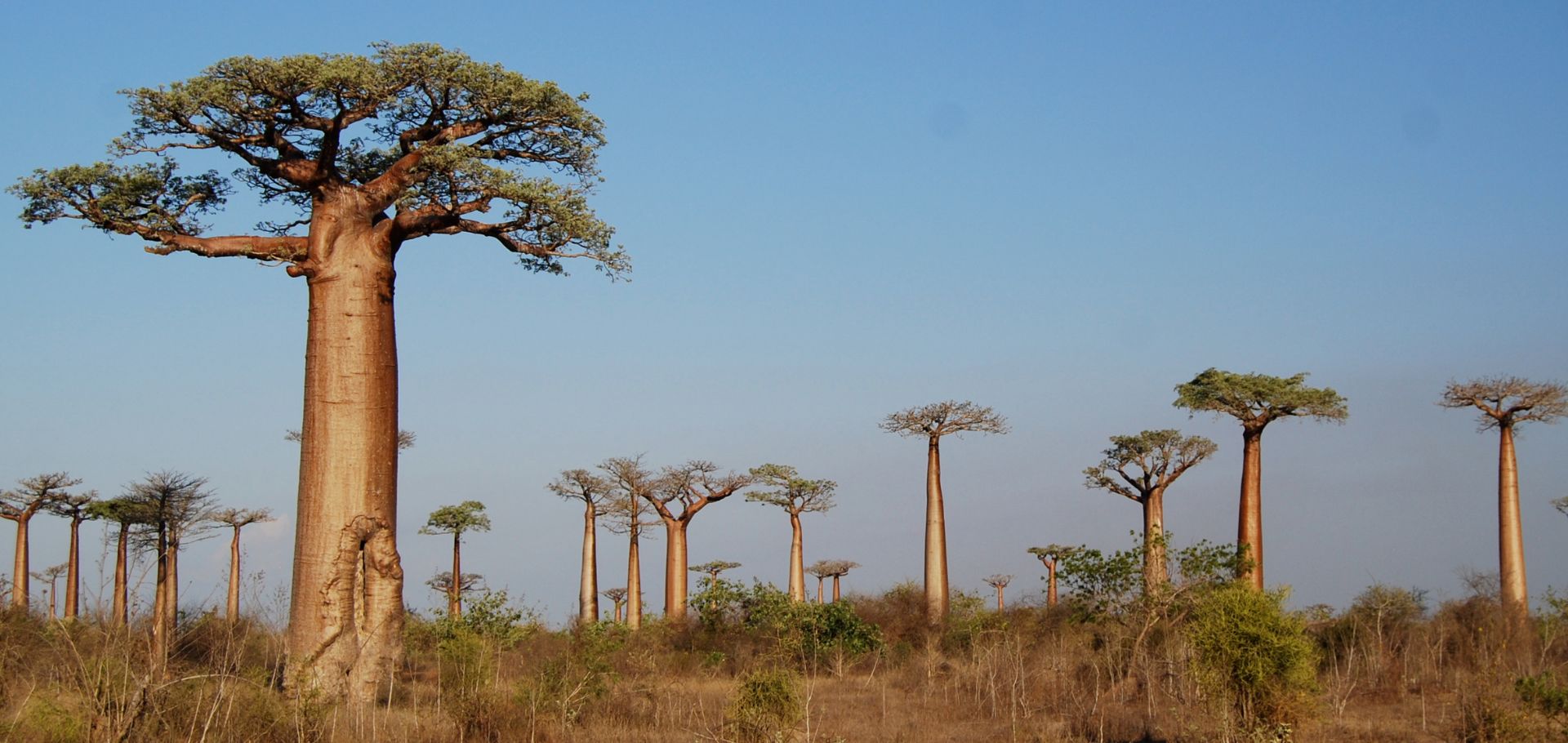
Beyond their ecological role, the baobab supports over 300 different uses. It is one of the most nutrient-dense superfoods on the planet. The fruit pulp, which naturally dries on the branch into a fine white powder contains vitamin C, calcium, and antioxi
Beyond their ecological role, the baobab supports over 300 different uses. It is one of the most nutrient-dense superfoods on the planet. The fruit pulp, which naturally dries on the branch into a fine white powder contains vitamin C, calcium, and antioxi
DROUGHT DOWNPOUR
Season Shift: How Kenya Lives Between Drought and Downpour
03 Mar, 2026 04:33 PM
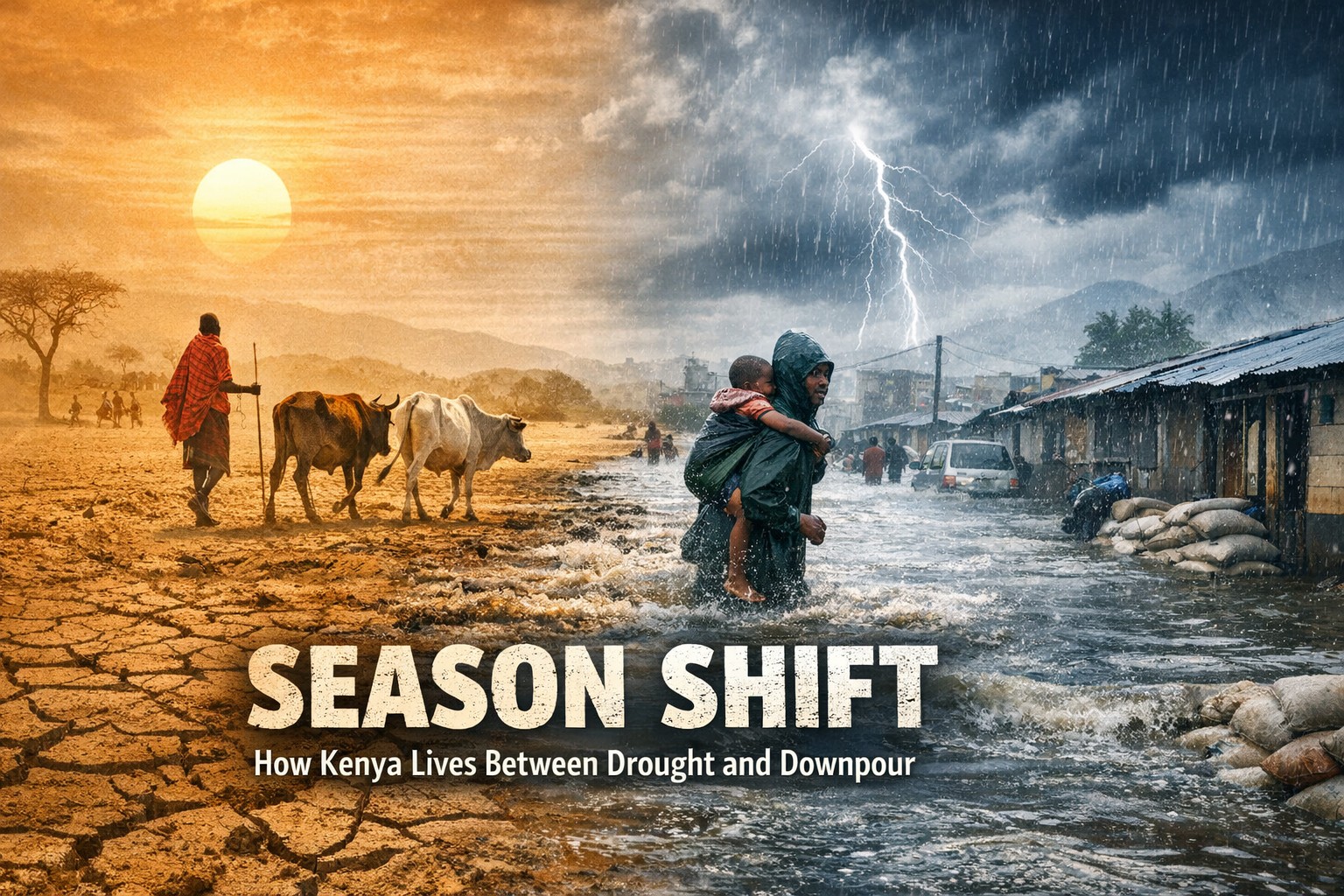
Across the country, weather patterns swing between prolonged dry spells and sudden heavy storms. The Kenya Meteorological Department has reported delayed rains, short intense bursts, and uneven distribution across regions. For many communities, this means
Across the country, weather patterns swing between prolonged dry spells and sudden heavy storms. The Kenya Meteorological Department has reported delayed rains, short intense bursts, and uneven distribution across regions. For many communities, this means