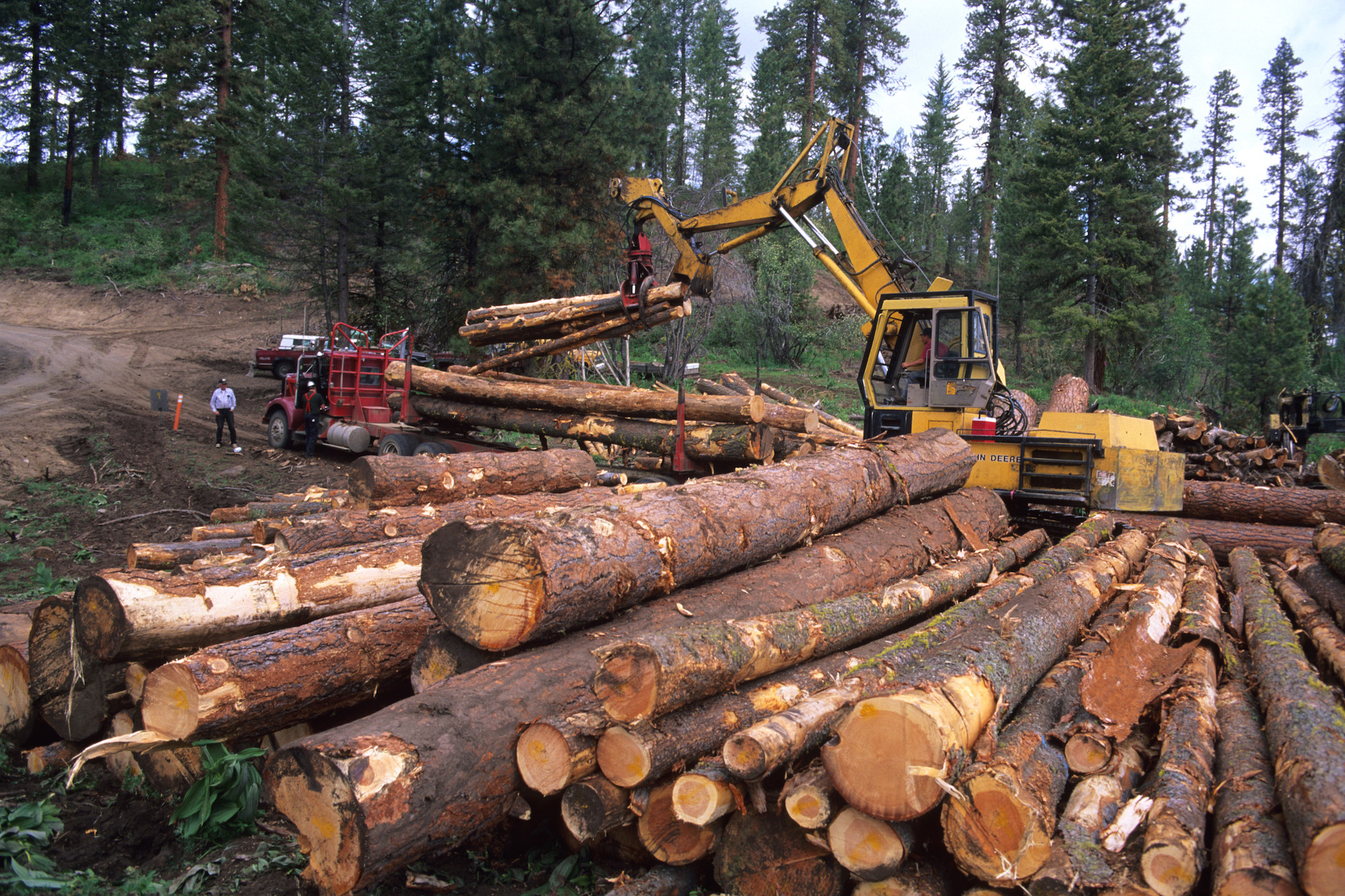
- Economies, jobs, and livelihoods depend on timber, but aggressive or poorly regulated extraction erodes biodiversity, soils, and carbon stocks. The paradox is stark: the industry thrives on forests, but unchecked exploitation weakens the resilience that makes forests valuable in the first place.
The timber industry needs trees to survive. Yet the relentless pressure to harvest risks undermining the very foundations of long‑term forest health, the ecological, cultural, and climate benefits of tree growing.
Economies, jobs, and livelihoods depend on timber, but aggressive or poorly regulated extraction erodes biodiversity, soils, and carbon stocks. The paradox is stark: the industry thrives on forests, but unchecked exploitation weakens the resilience that makes forests valuable in the first place.
Against this backdrop, Kenya’s government is calling for a new compact between timber investors and the nation’s tree‑growing ambitions.
At a recent consultative meeting held at the Nairobi Arboretum, the Cabinet Secretary for Environment, Climate Change and Forestry, Dr. Deborah Barasa, urged timber industry stakeholders to actively contribute to the 15 billion tree growing campaign. She emphasized that sustainability of the sector depends on replenishing the raw material it draws directly from state forests.
CS Barasa notes that increasing forest cover to 30% through ecosystem restoration is essential for every sector that leans on forestry.
Read More
The call was echoed by Kenya Forest Service (KFS) Board Chairman, Mr. Titus Korir, who reminded investors that their contributions generate the largest portion of revenue for the Service.
The Chief Conservator of Forests, Mr. Alex Lemarkoko, added a practical directive: sawmillers should raise seedlings in their own nurseries to sustain tree‑growing efforts. He advised investors to adopt specific forest areas, support schools in planting trees, and participate directly in ecosystem restoration activities.
On behalf of the timber industry, National Chairman of the Timber Manufacturers Association, Mr. John Kimani, pledged support for the campaign. He called for policies and structures that would enable timber investors to engage in tree‑growing initiatives both at county and national levels. The industry, he affirmed, is committed to upholding regulations in the harvesting of forest plantation materials while contributing to Kenya’s restoration goals.
During a recent visit to the Kenya Forest Service nurseries in Ngong by CS Barasa, the paradox became tangible. Walking through rows of vibrant seedlings, she says it was clear that without strong nursery capacity, the ambition to plant billions of trees would remain only aspiration. “Nurseries are the heartbeat of Kenya’s national tree‑growing revolution,” she said.
According to the CS, at KFS nurseries, seedlings receive attentive care—nutrient‑rich soils, precise watering, and early protection.
This nurturing builds resilience, dramatically improving survival rates once planted.
“From indigenous species to fruit trees, nurseries are the engines powering ecological restoration, climate resilience, and biodiversity protection,” she added.
Furthermore, CS Barasa acknowledges that their impact extends beyond greening landscapes.
“Nurseries strengthen communities. They enhance food security through fruit trees, generate steady income for women, youth, and local groups, and anchor local economies through seedling enterprises,” CS Barasa said.
She has emphasized that by embedding nurseries in schools, counties, and communities, Kenya is cultivating a restoration culture that is sustainable, practical, and generational.
The paradox between timber and tree growing need not remain a contradiction. With deliberate collaboration, the timber industry can transform from a force of depletion into a driver of regeneration.
The 15 billion tree campaign is not simply about numbers, it is about re‑imagining forestry as a shared national enterprise, where industry, government, and communities co‑create a resilient future.
Kenya’s forests are living systems, cultural anchors, and climate shields. The challenge now is to ensure that the industry that depends on them becomes their fiercest protector.
Follow us on WhatsApp for real-time updates, community voices, and stories that matter.
-1785307406.jpeg)

-1784287755.jpg)